Female voice narration · Vayikra Torah Portion Teaching
Overview
The book commonly known as Leviticus takes its English name from the Greek Septuagint (LXX), emphasizing its connection to the Levites and priestly service. However, the Hebrew name Vayikra — "And He called" — reveals something far more intimate.
It does not begin with laws. It begins with a call.
"And the LORD called to Moses and spoke to him from the Tent of Meeting…" (Leviticus 1:1)
This is the continuation of Sinai — but now the voice of God is not thundering from a mountain. It is speaking from within the Tabernacle, from the place of His dwelling among His people. Genesis gave us creation; Exodus gave us redemption; Leviticus answers the most important question that follows: Now that God dwells among us, how do we approach Him?
The Hebrew word behind "offering" is korban (קָרְבָּן), rooted in the verb karav — to draw near. Sacrifice was never merely loss. It was a God-given pathway of approach. Each offering reveals a different dimension of the relationship between God and man: total surrender, gratitude, fellowship, purification, and restoration.
A central insight of this portion is that sin is never casual in God's eyes. Even unintentional sin required response. Holiness matters. Worship is costly. But the sacrifices also reveal mercy — God Himself made a way for His people to return.
Genesis
Creation
Exodus
Redemption
Leviticus
Drawing Near
Journal
Vayikra opens with God calling Moses from within the Tent of Meeting — a voice no longer from the mountain, but from the sanctuary He now inhabits among His people. The intimacy of this moment is profound: the same God who thundered at Sinai now speaks quietly from the place of dwelling.
The portion establishes five categories of offering, each addressing a different aspect of the human condition before a holy God: the burnt offering for total consecration, the grain offering for gratitude, the peace offering for fellowship, the sin offering for unintentional transgression, and the guilt offering for wrongs that can be quantified and repaid.
The key insight is that worship is never casual. Even sins committed unknowingly required atonement. God's holiness is not a formality — it is the very nature of who He is, and drawing near to Him requires that we take that seriously.
Scripture Readings
The Korbanot
The Five Offerings
Each offering is a korban — from the root karav, "to draw near." They are not penalties but pathways.
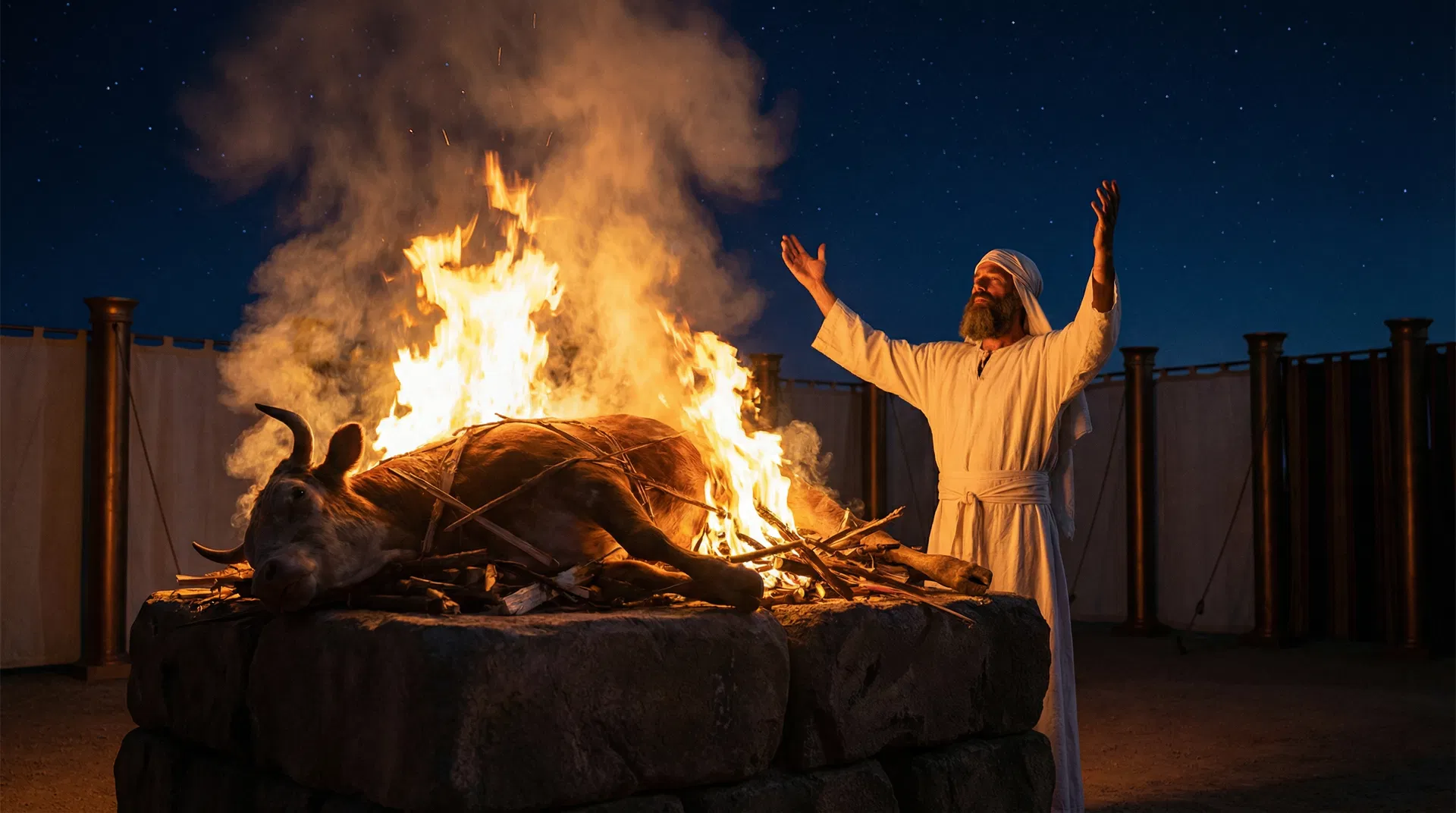
Burnt Offering (Olah)
Total Surrender
The entire animal was consumed on the altar — nothing held back. It represents complete dedication and ascent to God, a picture of total surrender of self.
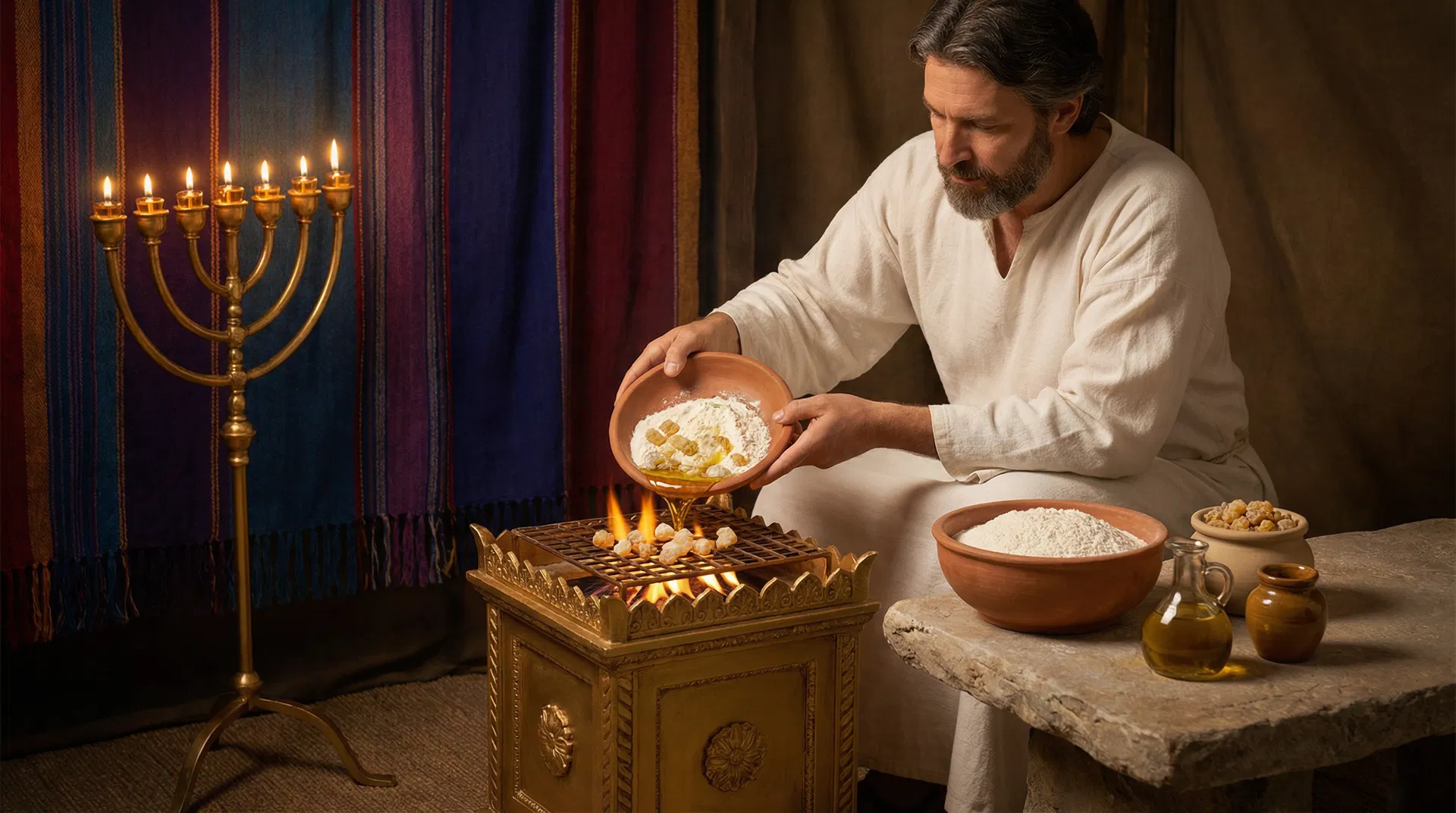
Grain Offering (Minchah)
Devotion & Thanksgiving
Offered with fine flour, oil, and frankincense. It expressed gratitude, dedication, and the fruit of one's labor given back to God.
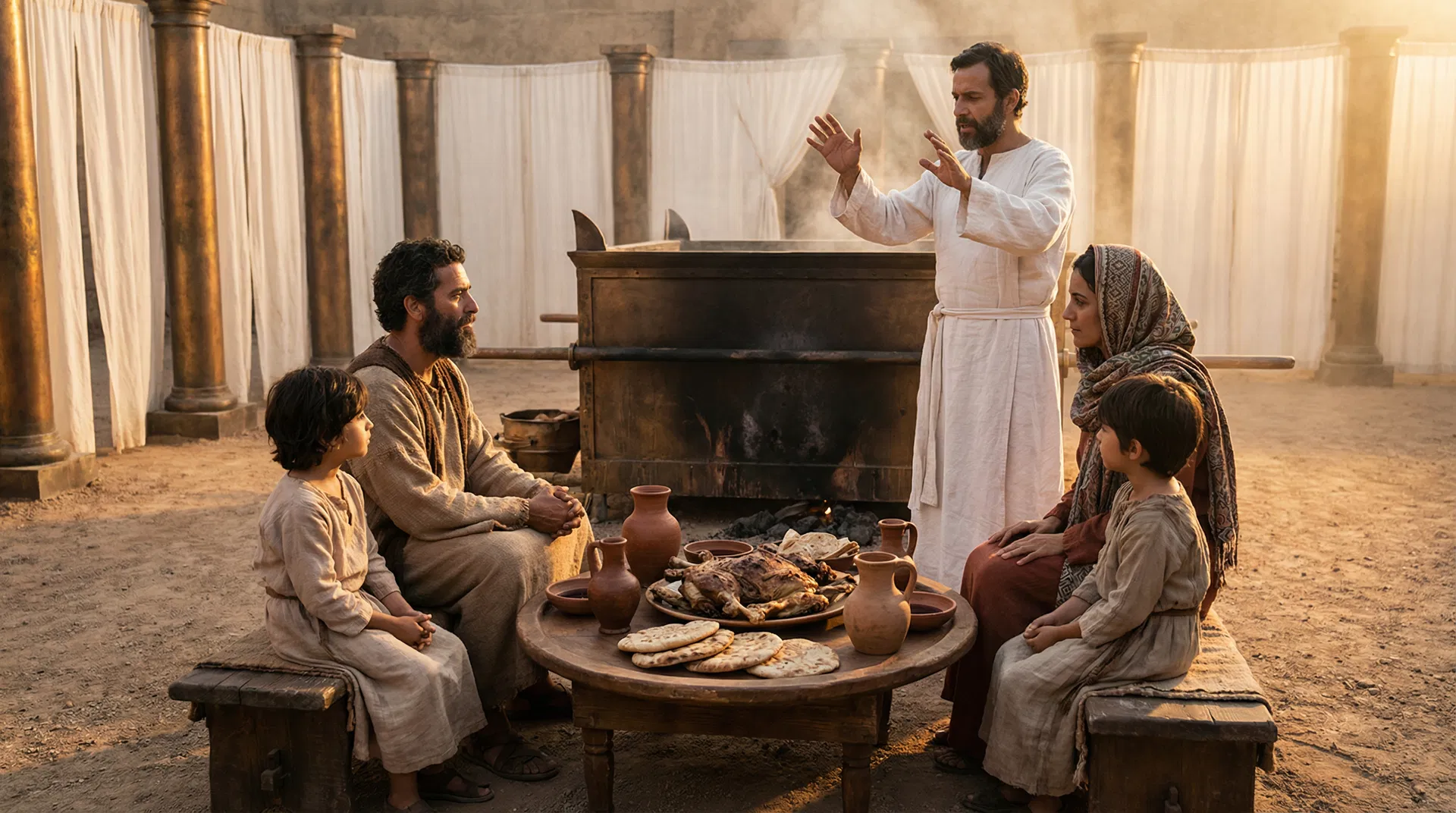
Peace Offering (Shelamim)
Fellowship & Communion
A shared meal between God, the priests, and the worshiper. It celebrated wholeness, well-being, and the restored relationship between man and God.
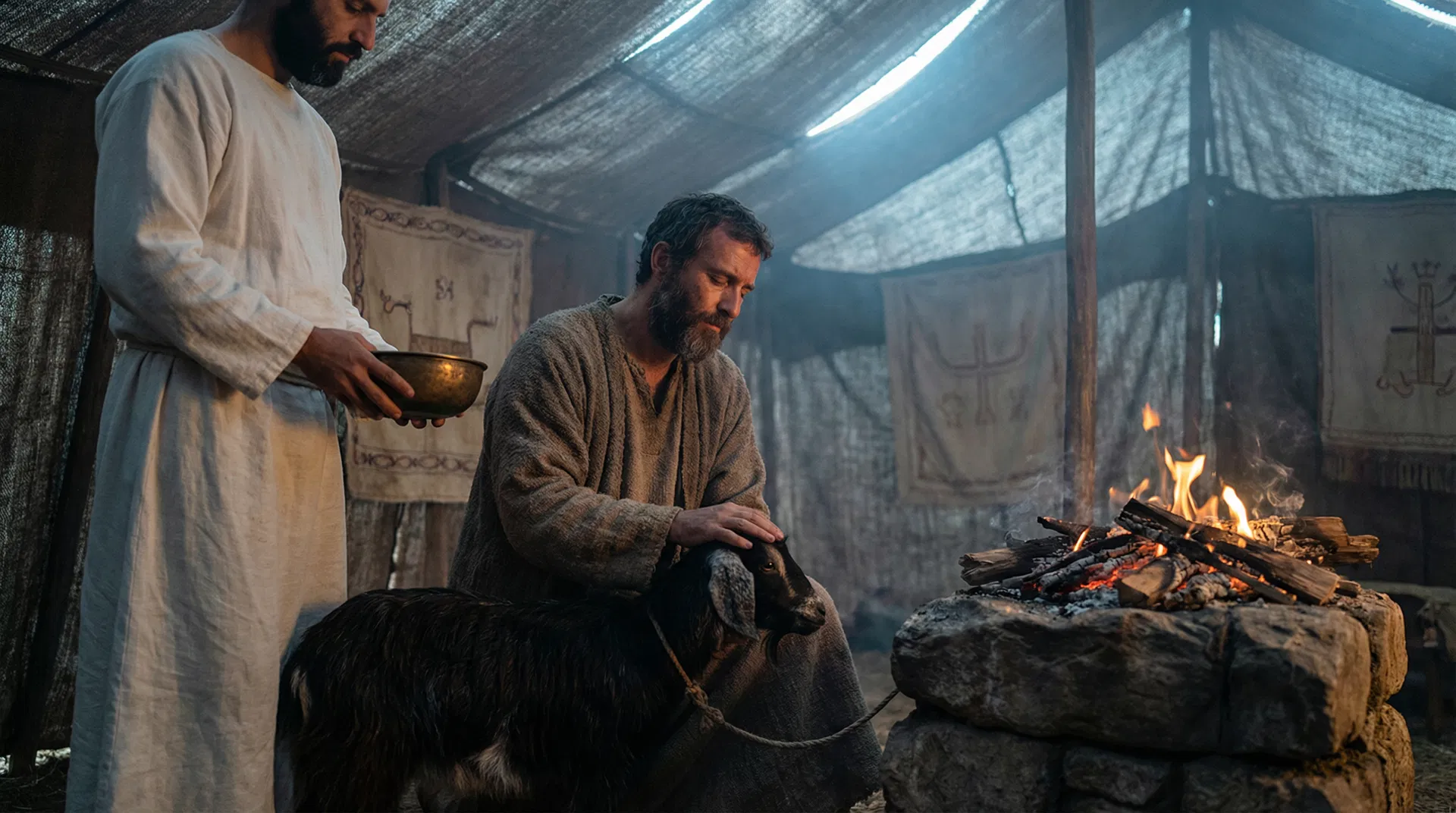
Sin Offering (Chatat)
Purification from Sin
Required for unintentional sin. It demonstrates that even accidental wrongdoing separates from God, and atonement is necessary to restore the relationship.
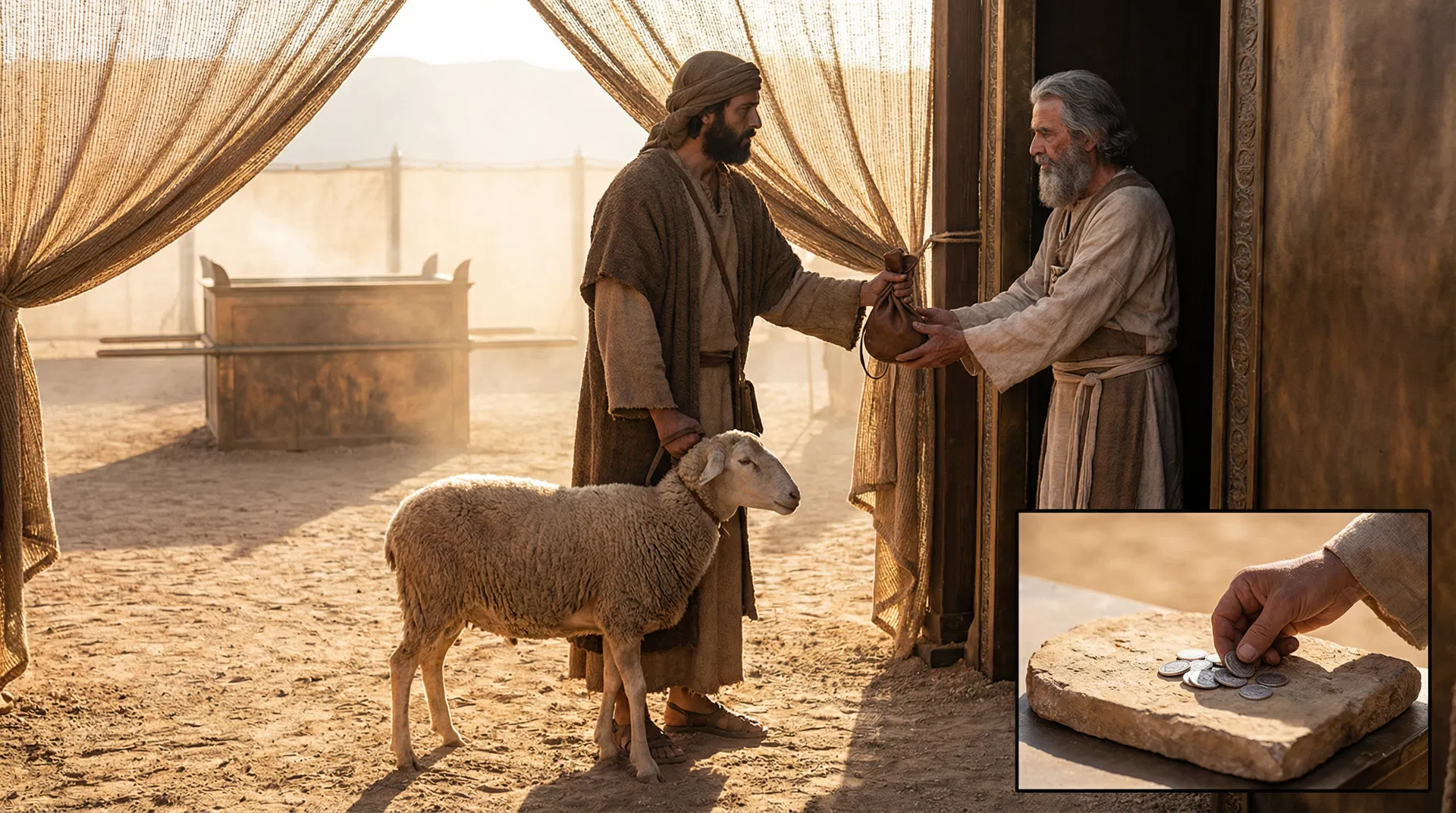
Guilt Offering (Asham)
Restoration & Repayment
Required when a wrong could be quantified and repaid. It combined atonement with restitution — making things right with both God and others.
Central Theme
How the Three Readings Connect
God desires a holy people who draw near to Him with sincere hearts, true repentance, and reconciled relationships.
Leviticus
The Way to Approach
The sacrificial system establishes how sinful man comes near to a holy God — through atonement, blood, and substitution.
Isaiah
Empty Worship & Mercy
God rebukes empty ritual but offers stunning mercy: "I am He who blots out your transgressions for My own sake."
Matthew
Internalized Holiness
Yeshua brings the sacrificial system to its intended depth — not outward ritual only, but inward purity and relational integrity.
Messiah Connection
Every offering in Vayikra points forward to Yeshua the Messiah. He is not merely a teacher who references these passages — He is their fulfillment. The sacrifices were real, but they were also prophetic shadows pointing to the ultimate way to draw near.
Burnt Offering
Yeshua's total surrender — 'Not my will, but Yours' (Luke 22:42). He gave everything, holding nothing back.
Peace Offering
He is our peace (Ephesians 2:14), reconciling us to God and to one another through His sacrifice.
Sin Offering
He became sin for us (2 Corinthians 5:21), bearing our unintentional and intentional transgressions alike.
Guilt Offering
He made full restitution — paying the debt we owed, restoring what sin had stolen from our relationship with God.
"He is the ultimate korban — the one who draws us near."
Life Application
Vayikra is not ancient history. Its questions are the questions of every generation. Ask yourself:
Am I approaching God casually or reverently?
Is my worship sincere, or only external?
Is there sin I have minimized because it seems "small"?
Is there someone I need to reconcile with before I come to the altar?
Am I trusting in God's mercy to truly blot out my transgressions?
Do I understand that drawing near to God is a gift — not a right?
Visual Study
Gallery
Cinematic scenes from the Torah, Prophets, and Gospel readings — from the Tabernacle to the Sermon on the Mount.
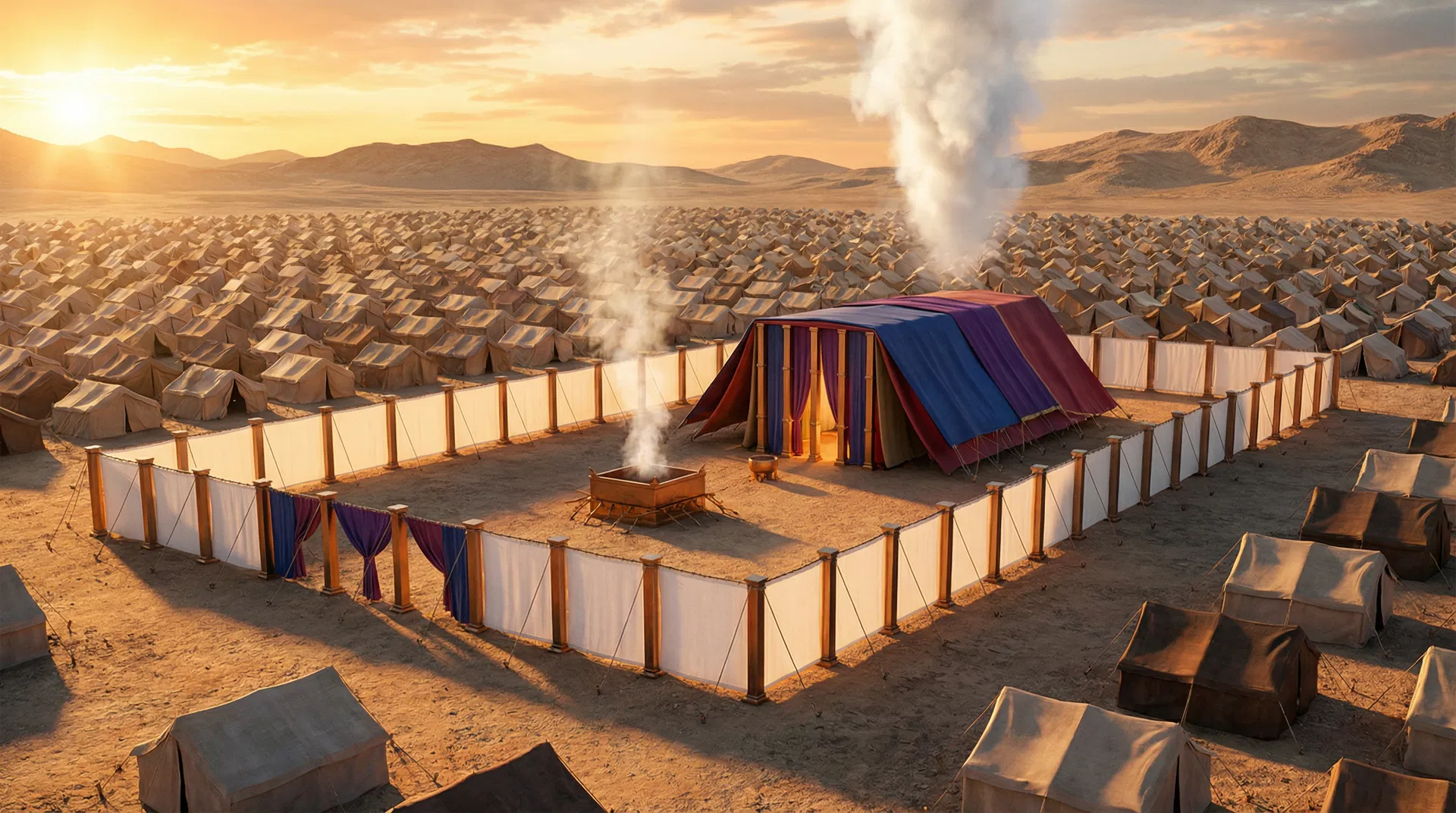
The Tabernacle in the Wilderness
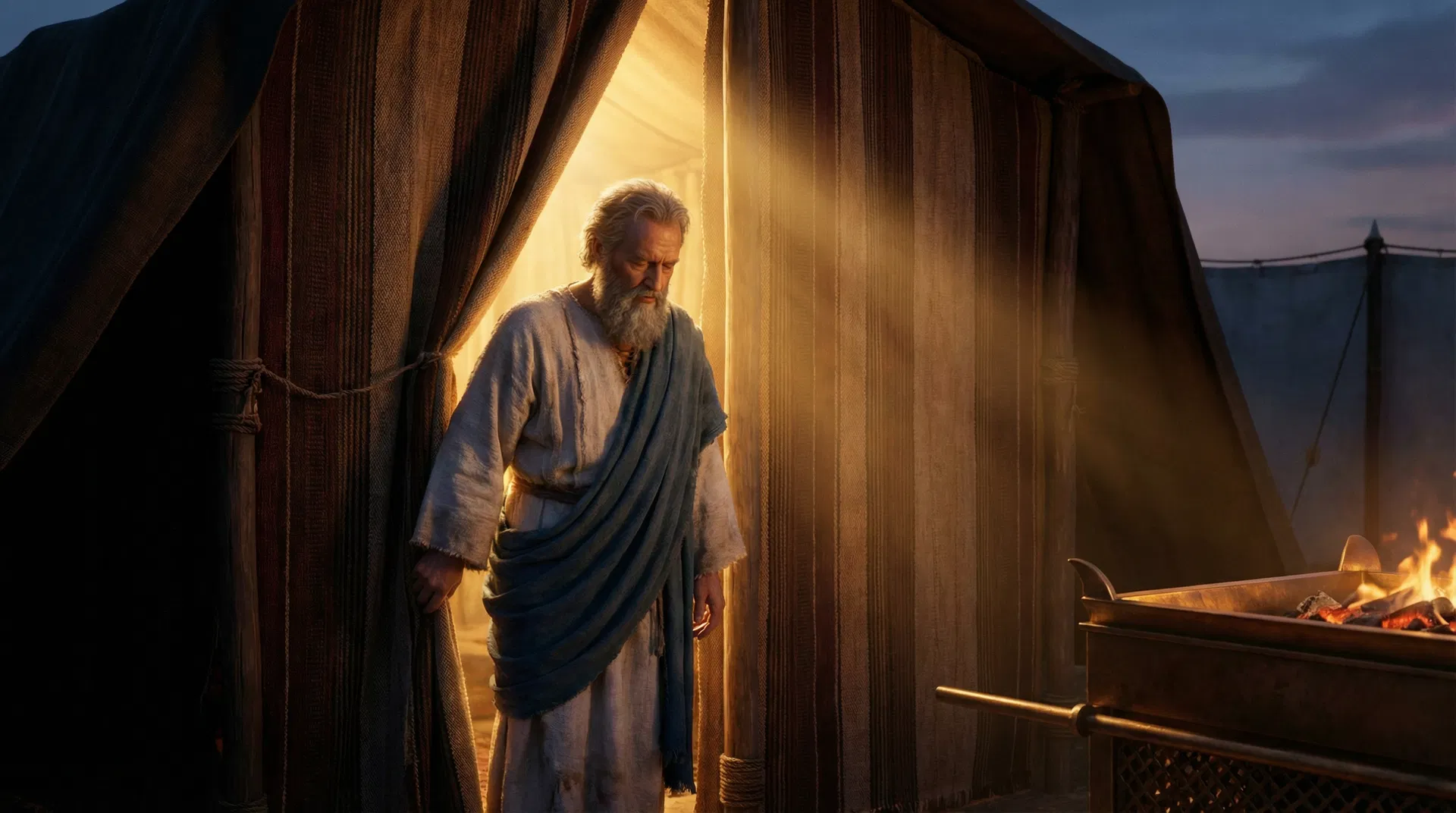
Moses at the Tent of Meeting
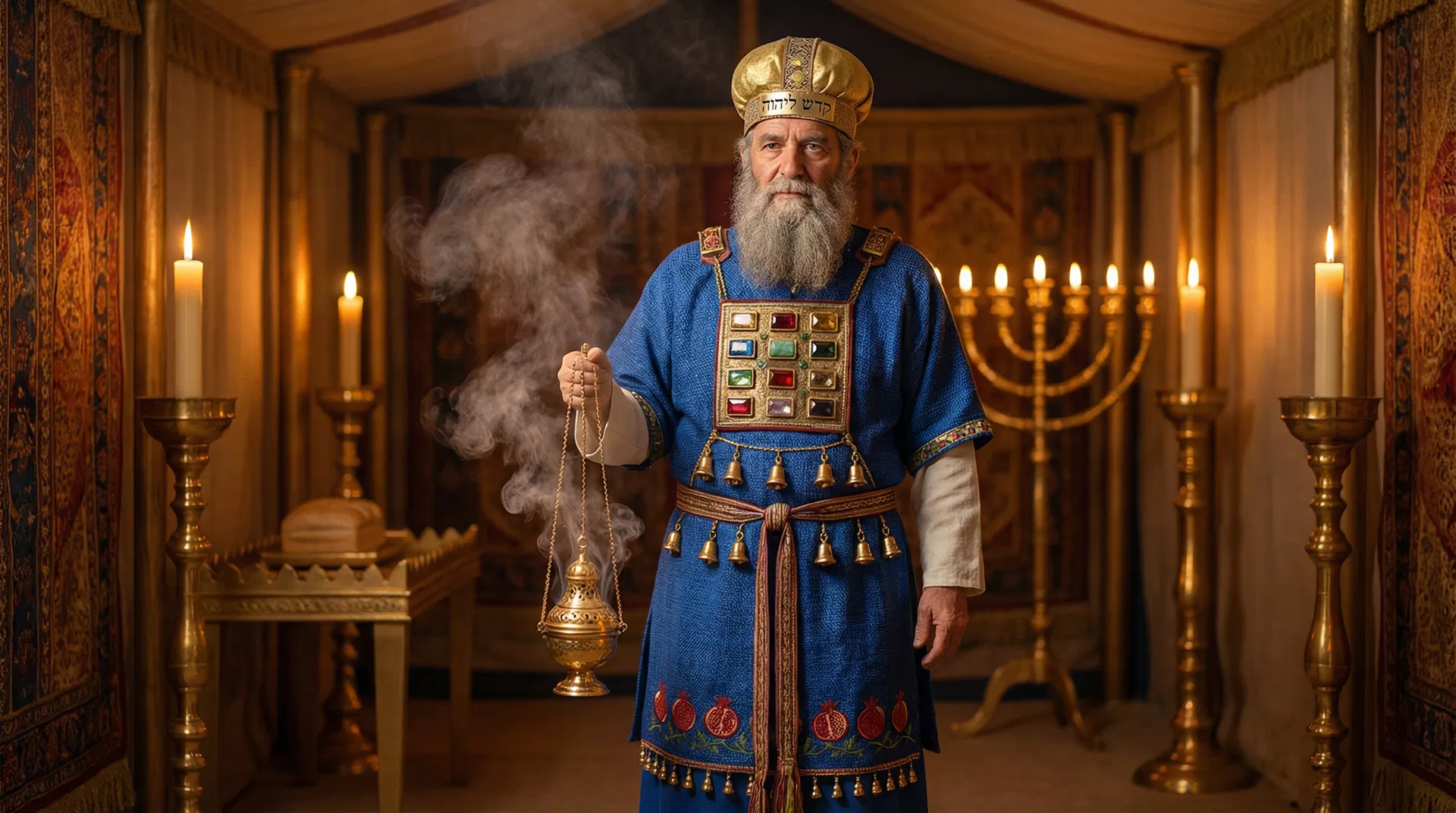
Aaron the High Priest
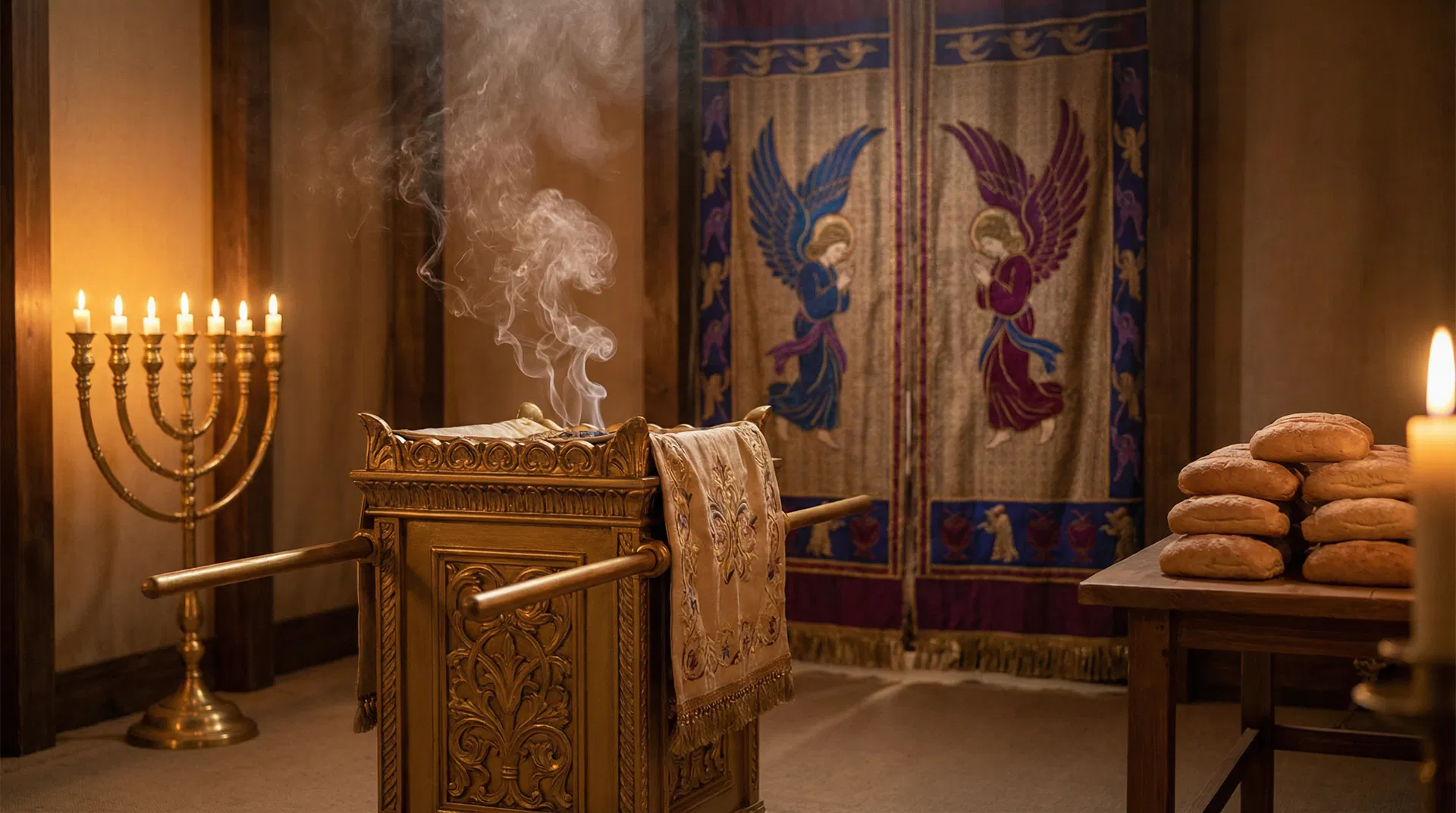
The Altar of Incense
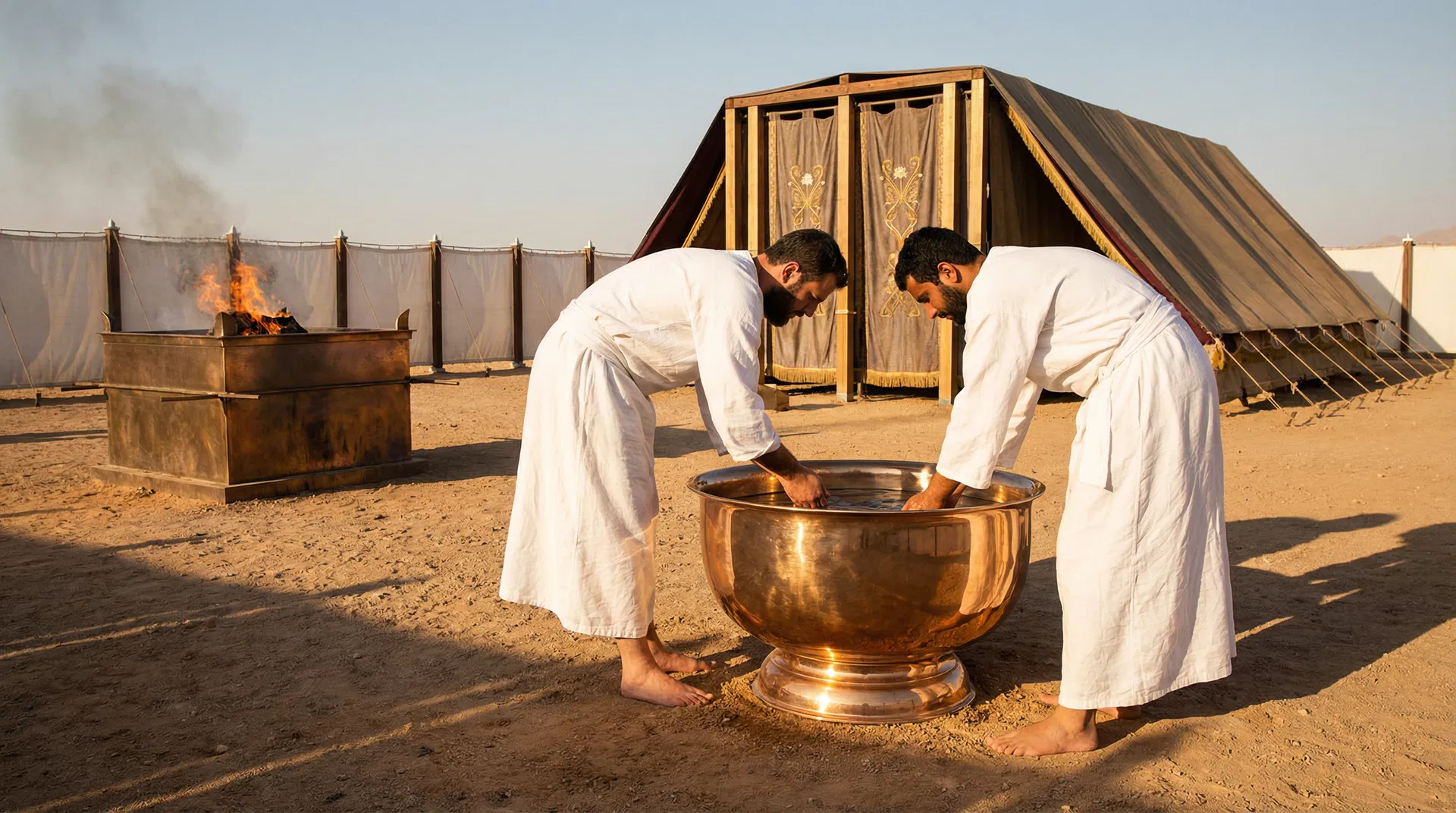
Priests at the Bronze Laver
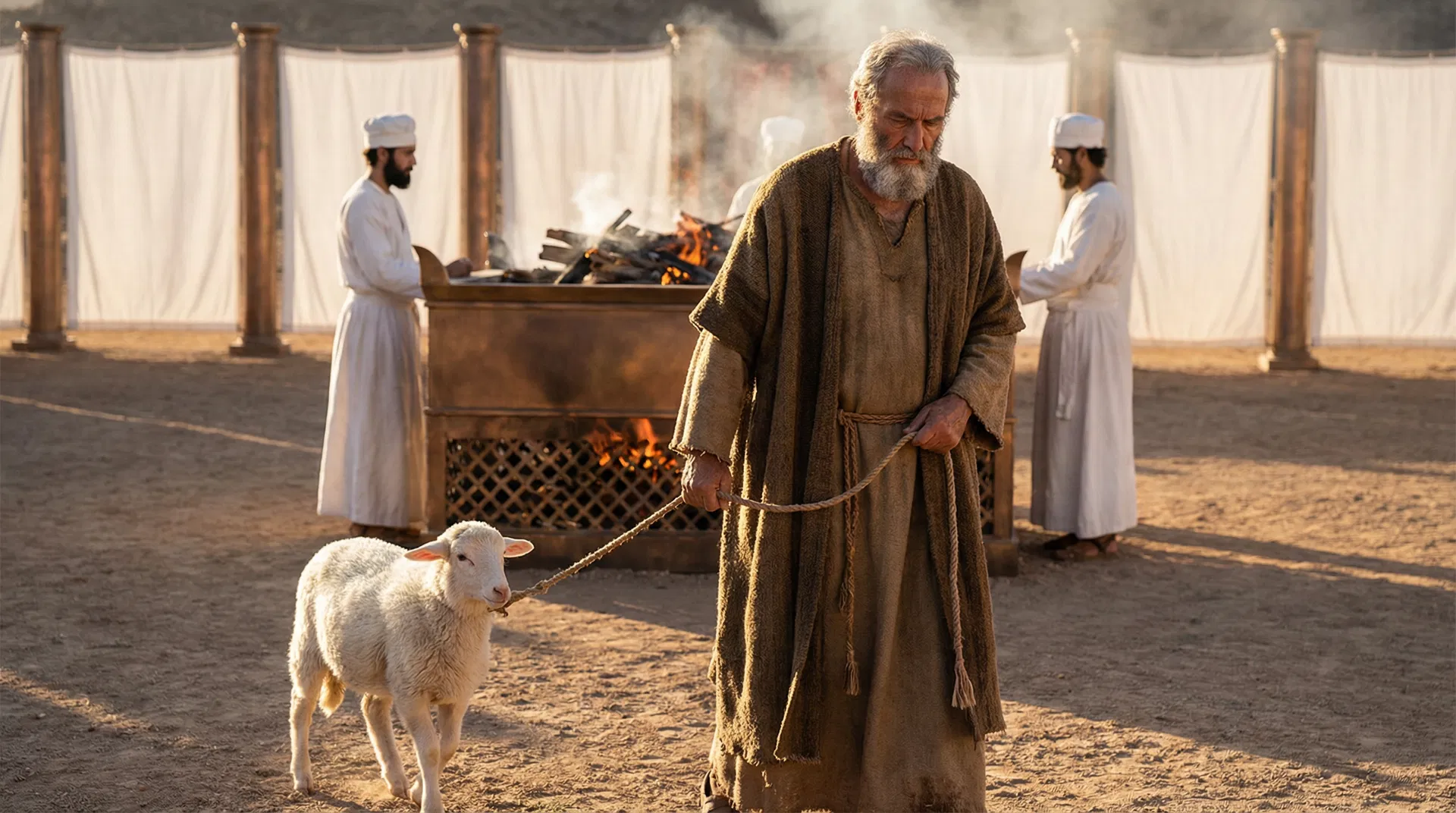
Worshiper Approaching the Altar
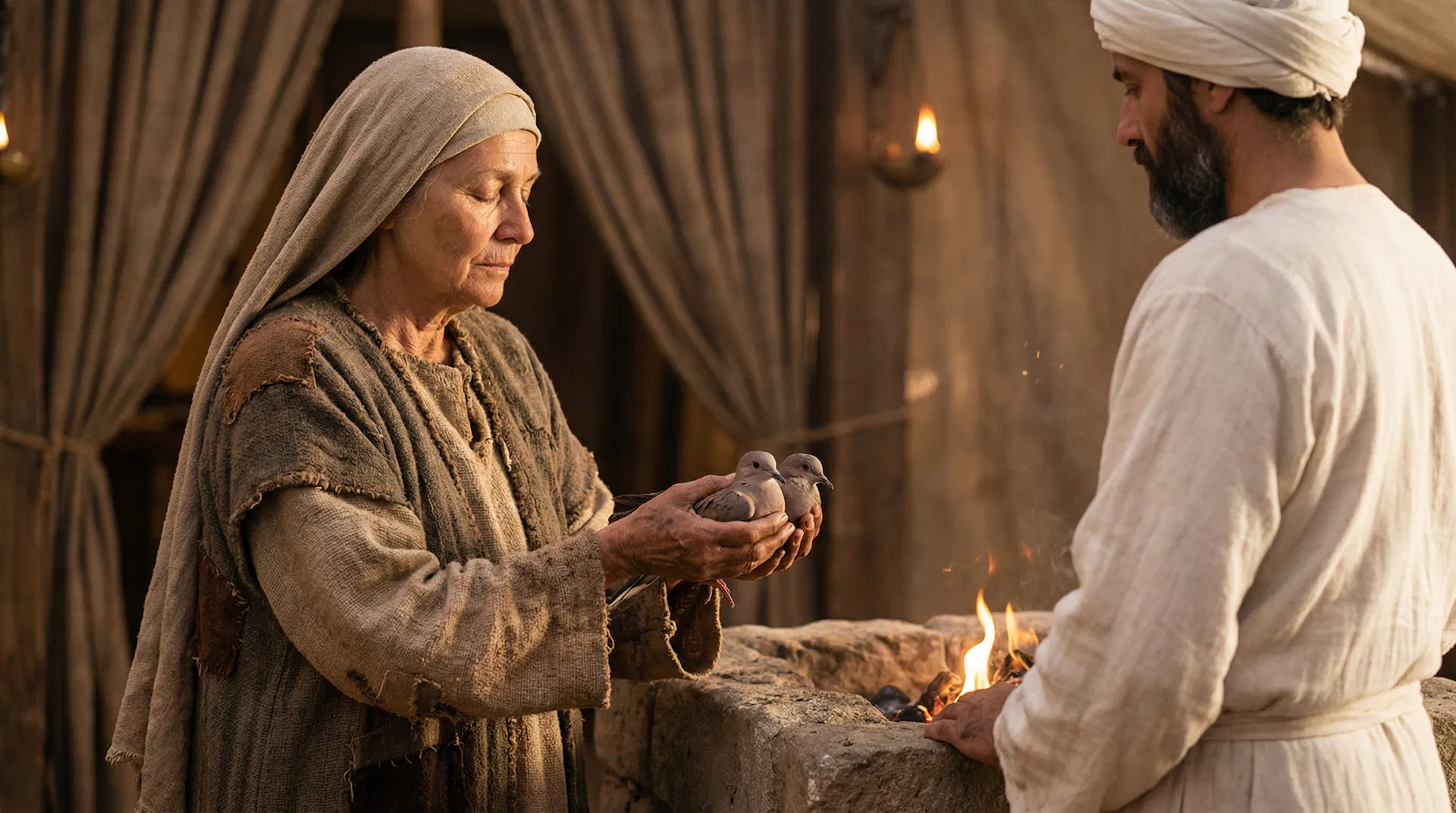
The Turtledove Offering
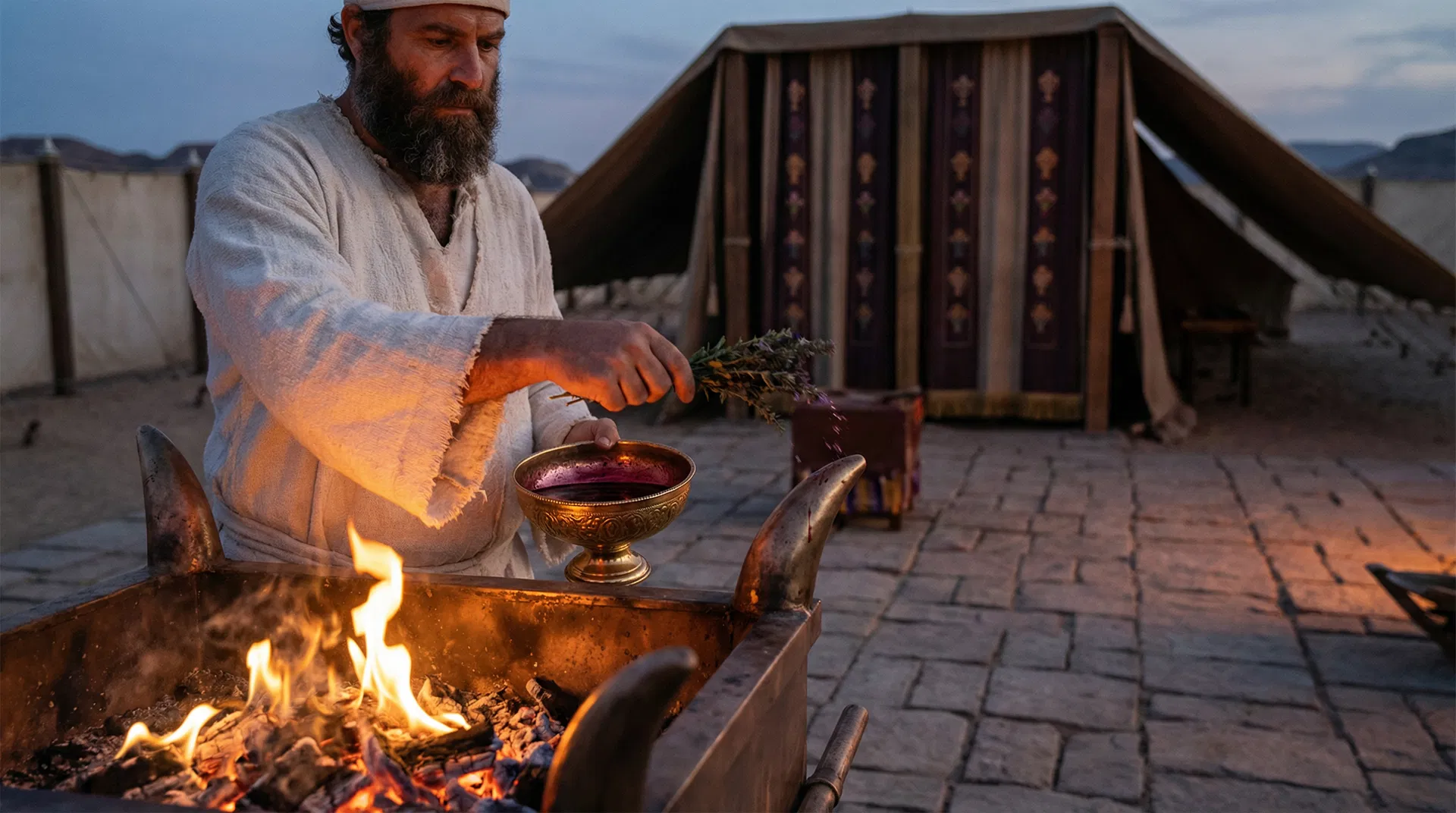
Blood Sprinkled on the Altar
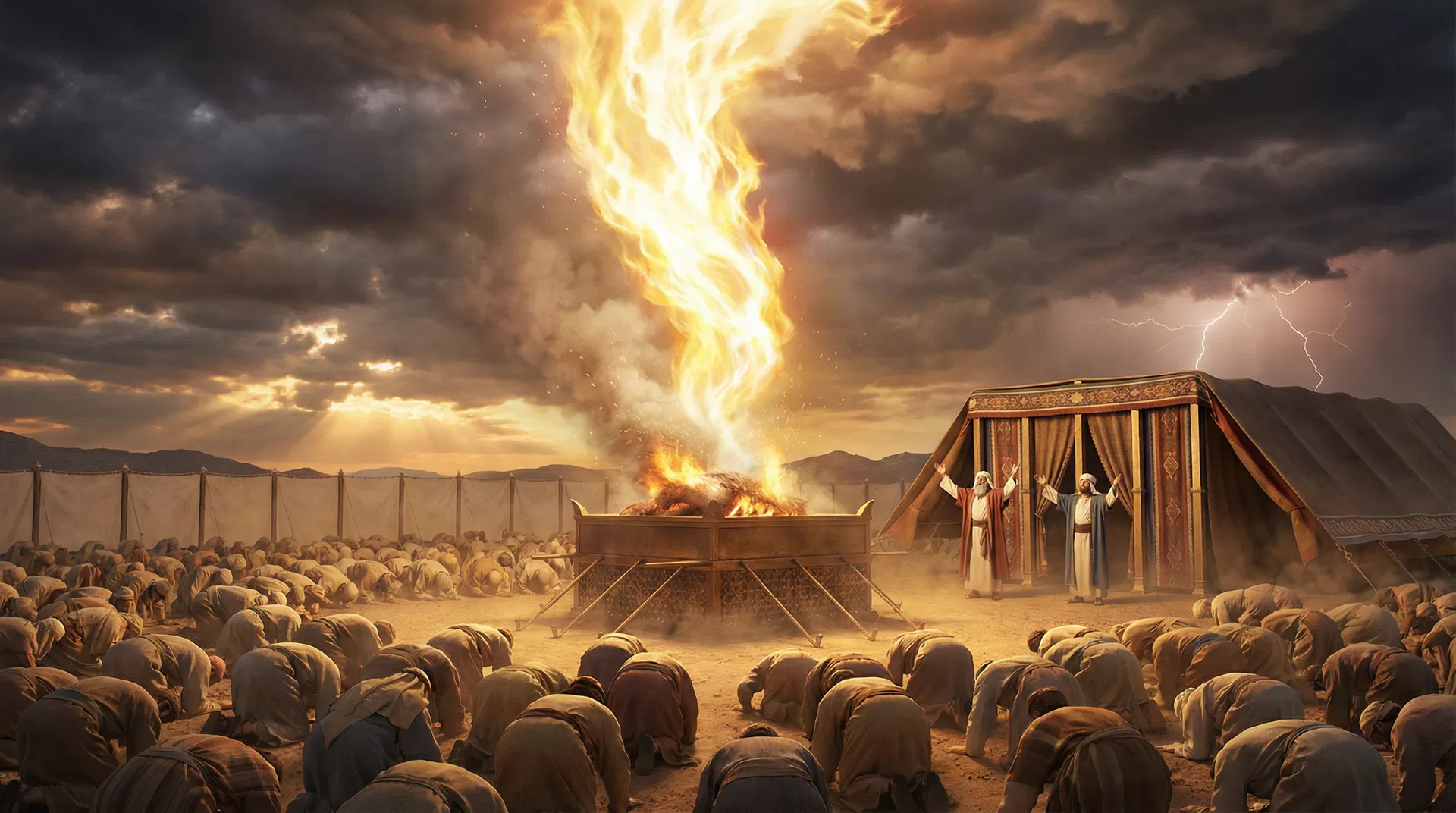
Divine Fire from Heaven
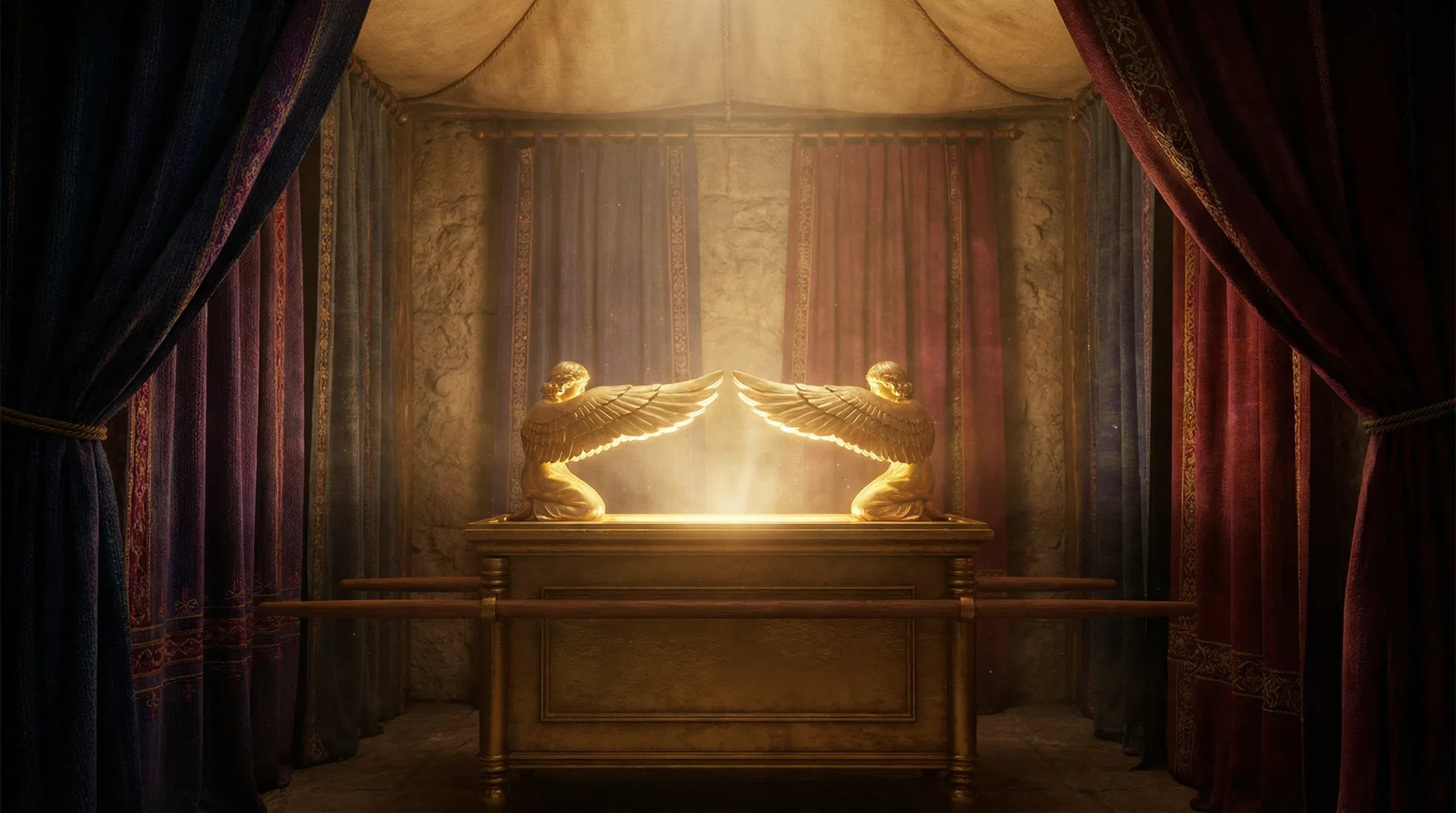
The Ark of the Covenant
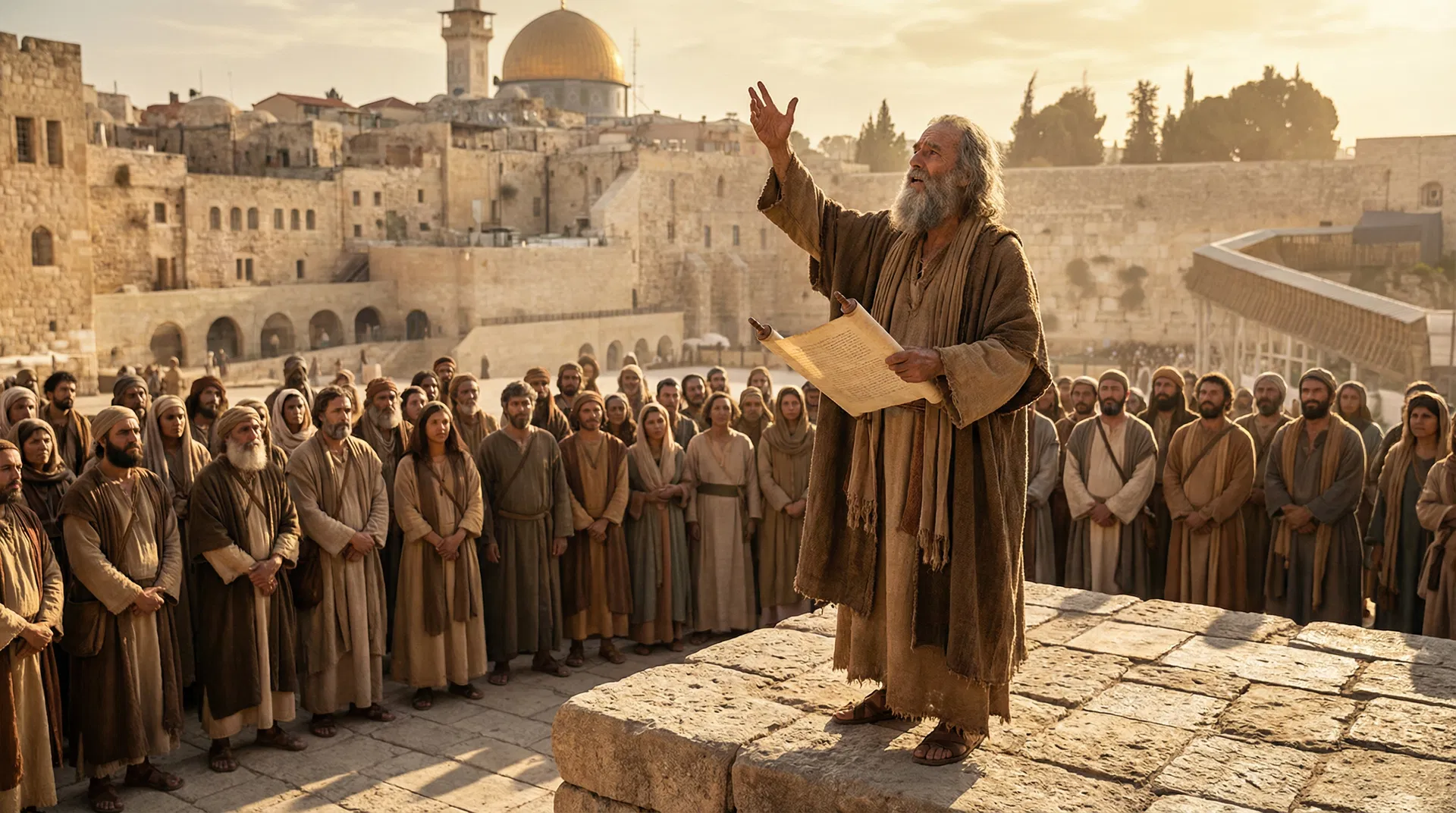
Isaiah Prophesying to Israel
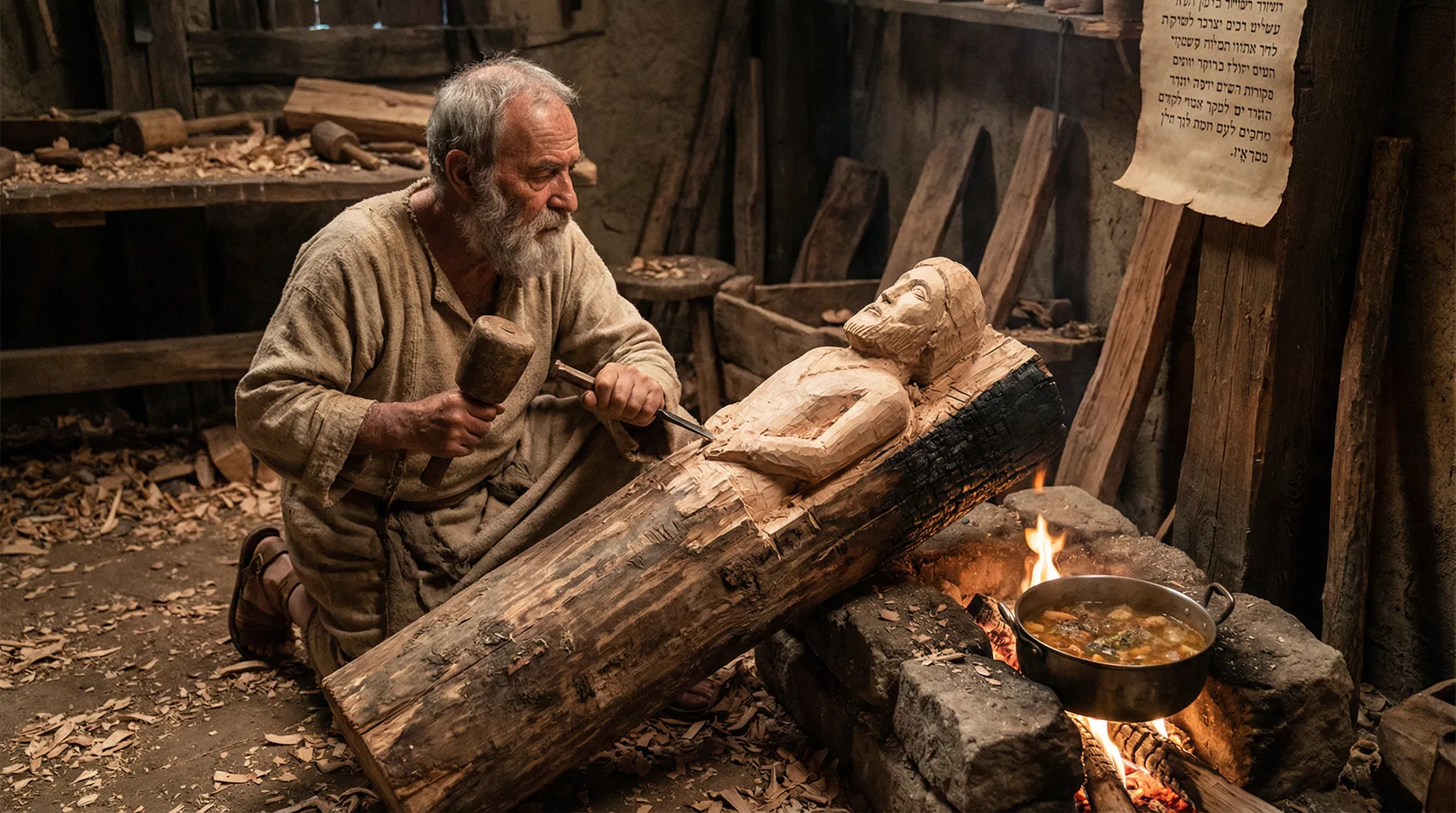
The Folly of Idolatry — Isaiah 44
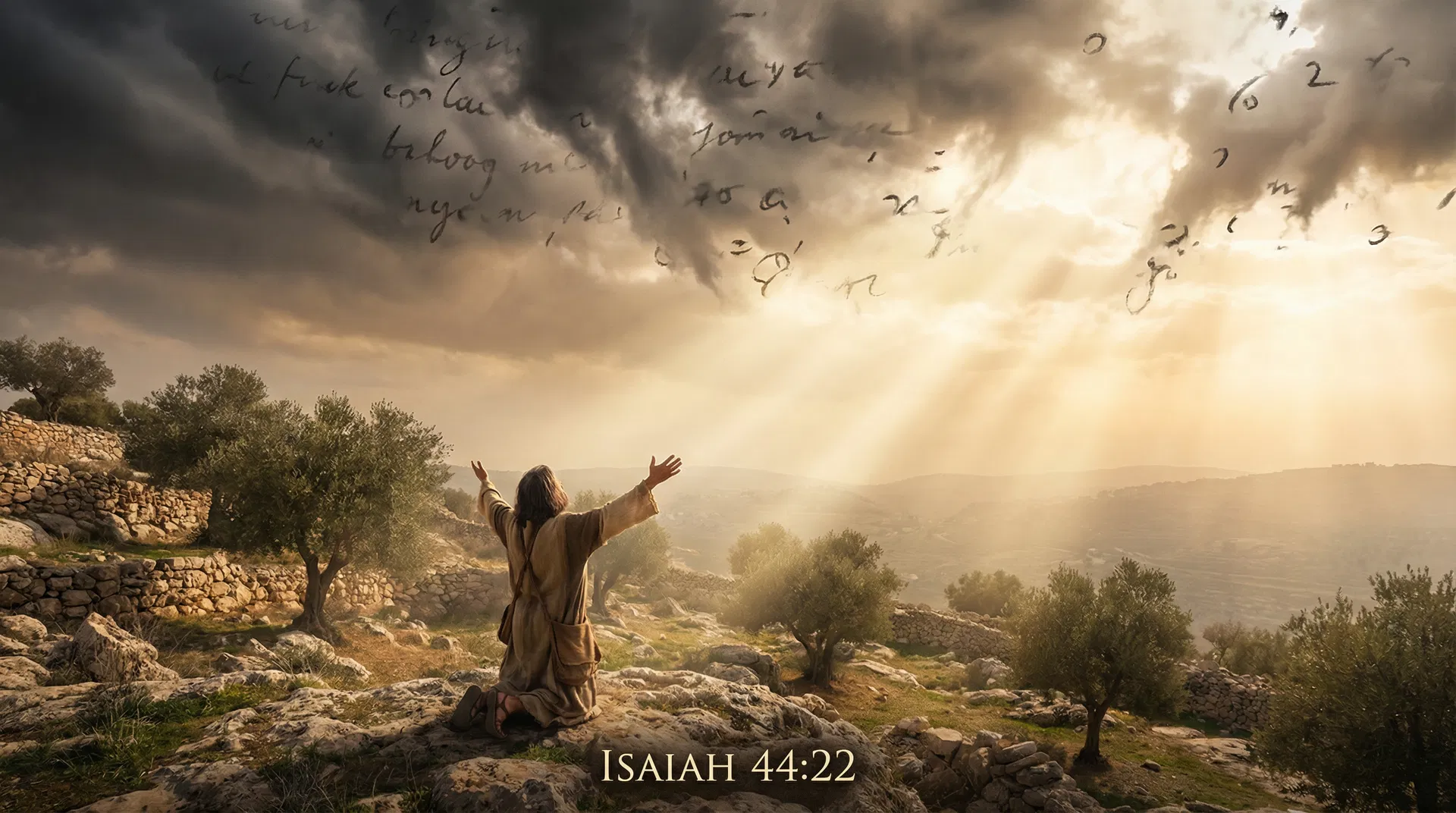
God Blots Out Transgressions
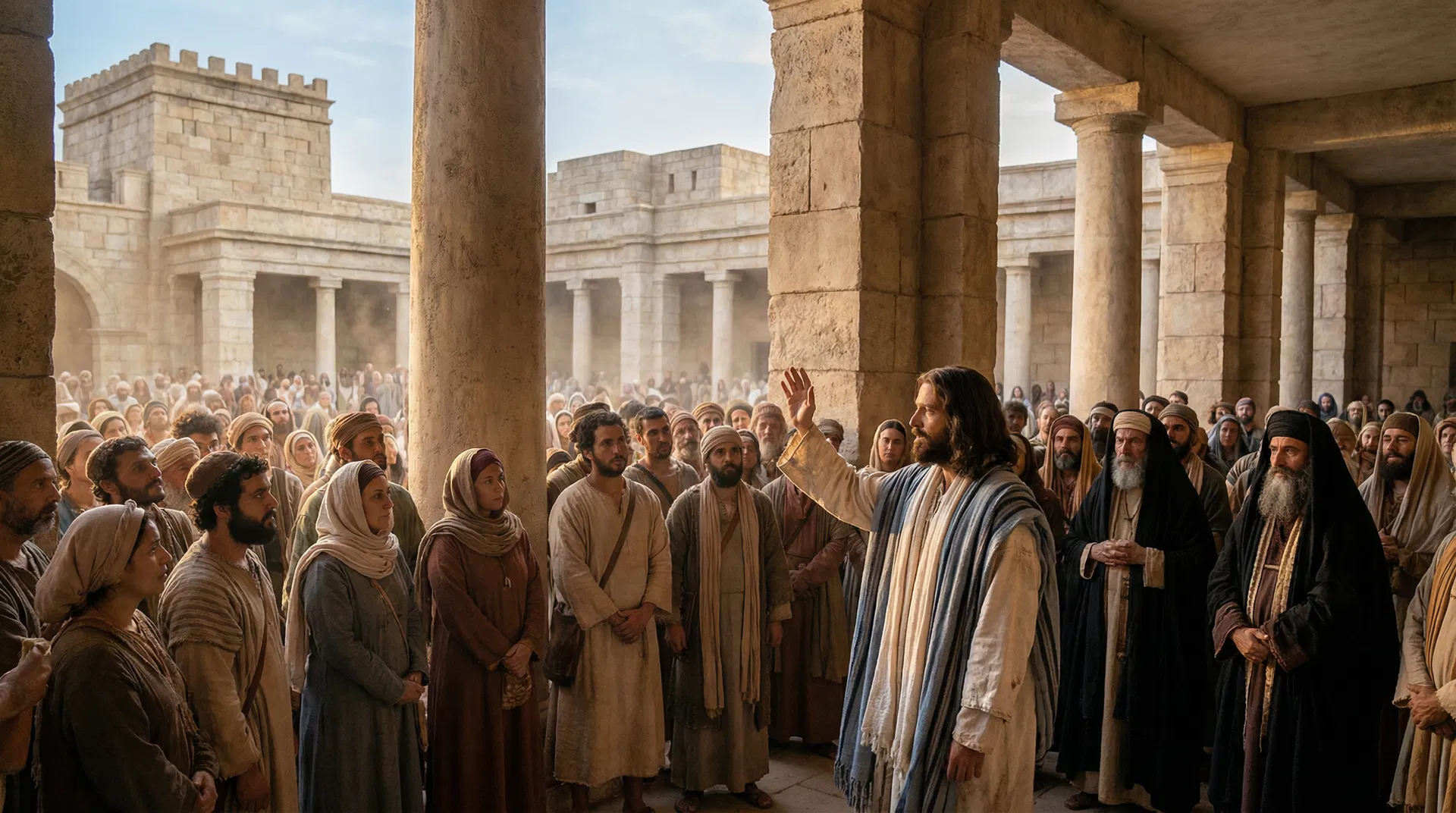
Yeshua Teaching in the Temple
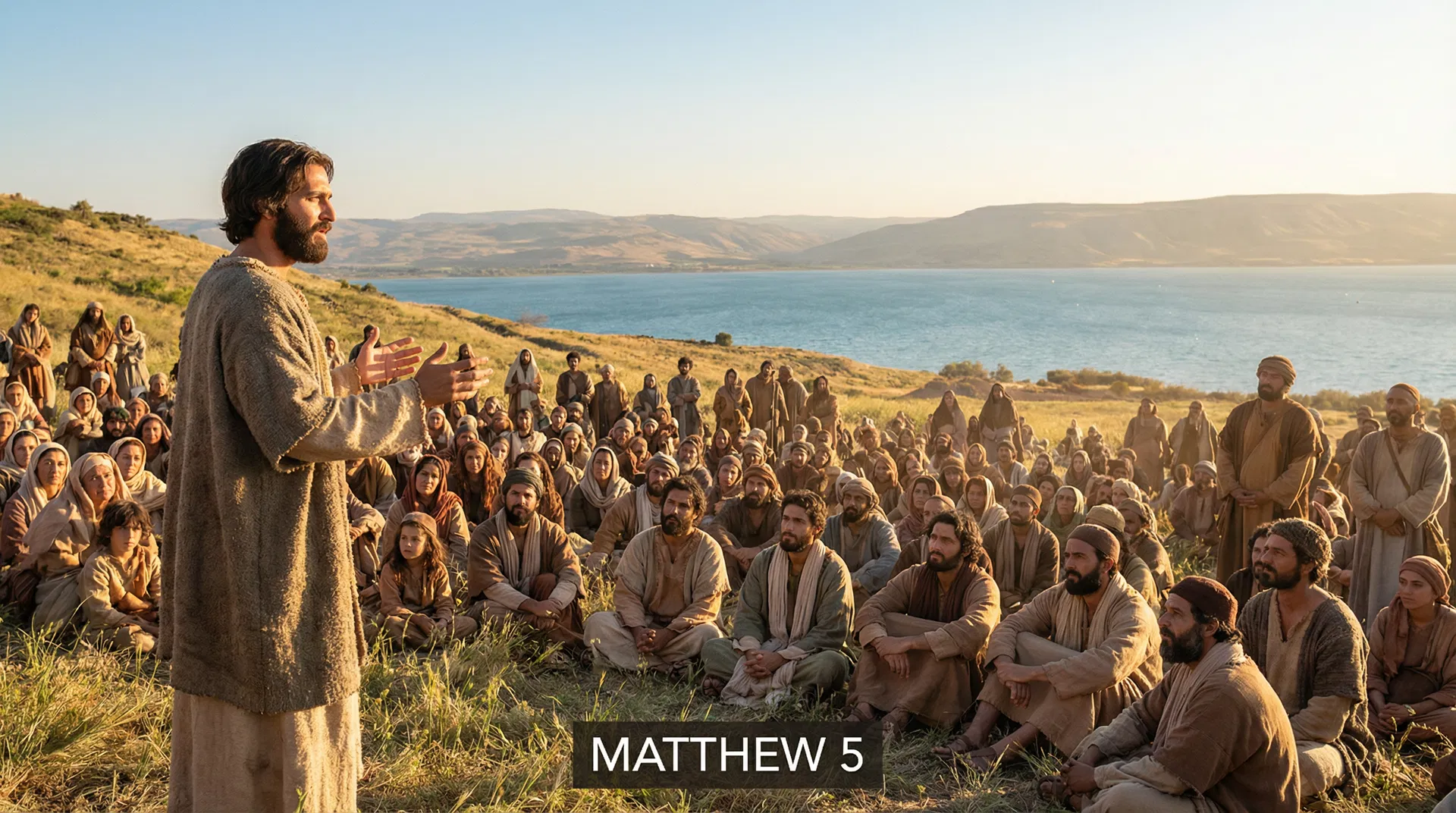
The Sermon on the Mount
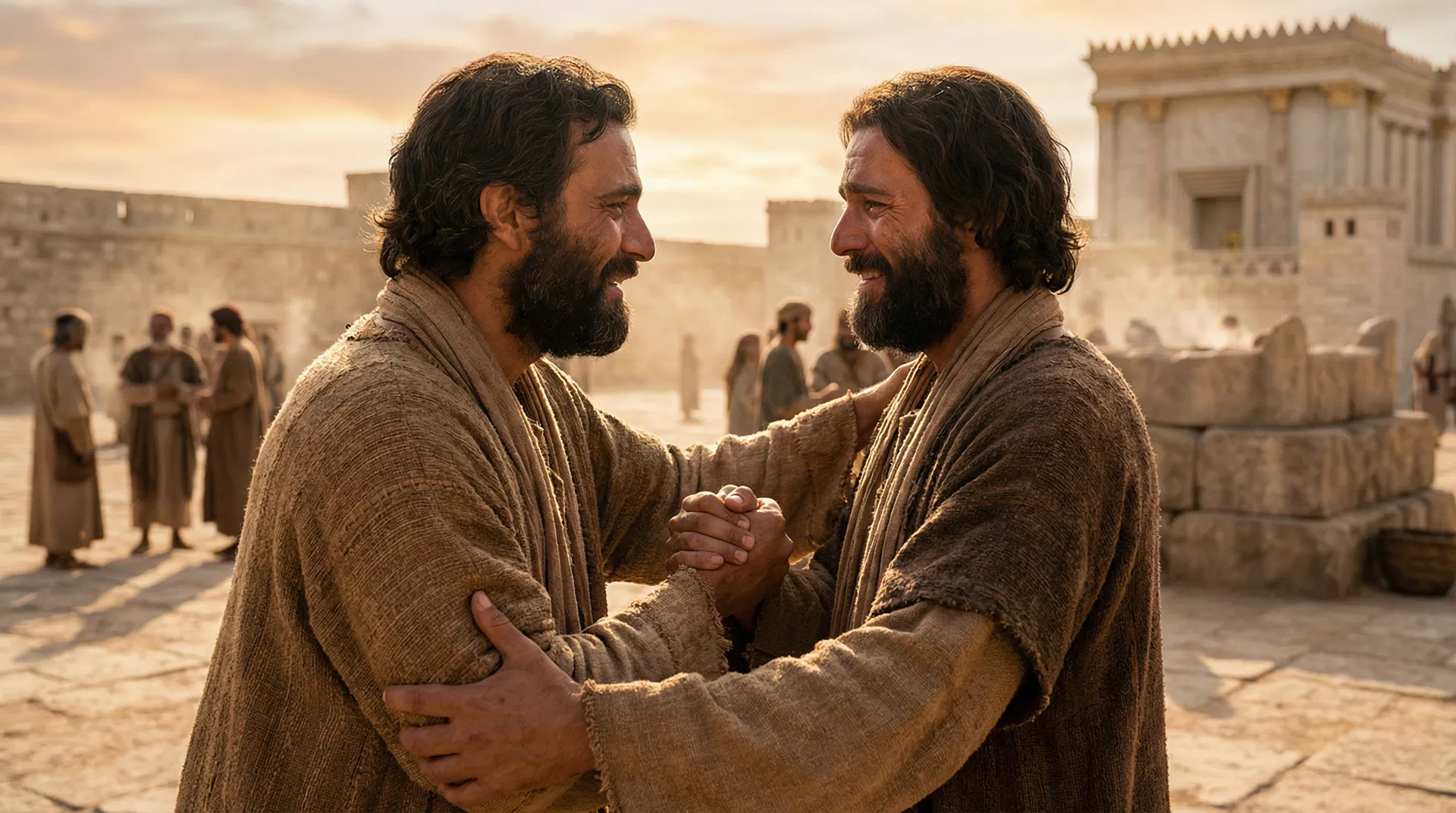
Reconciliation Before the Altar
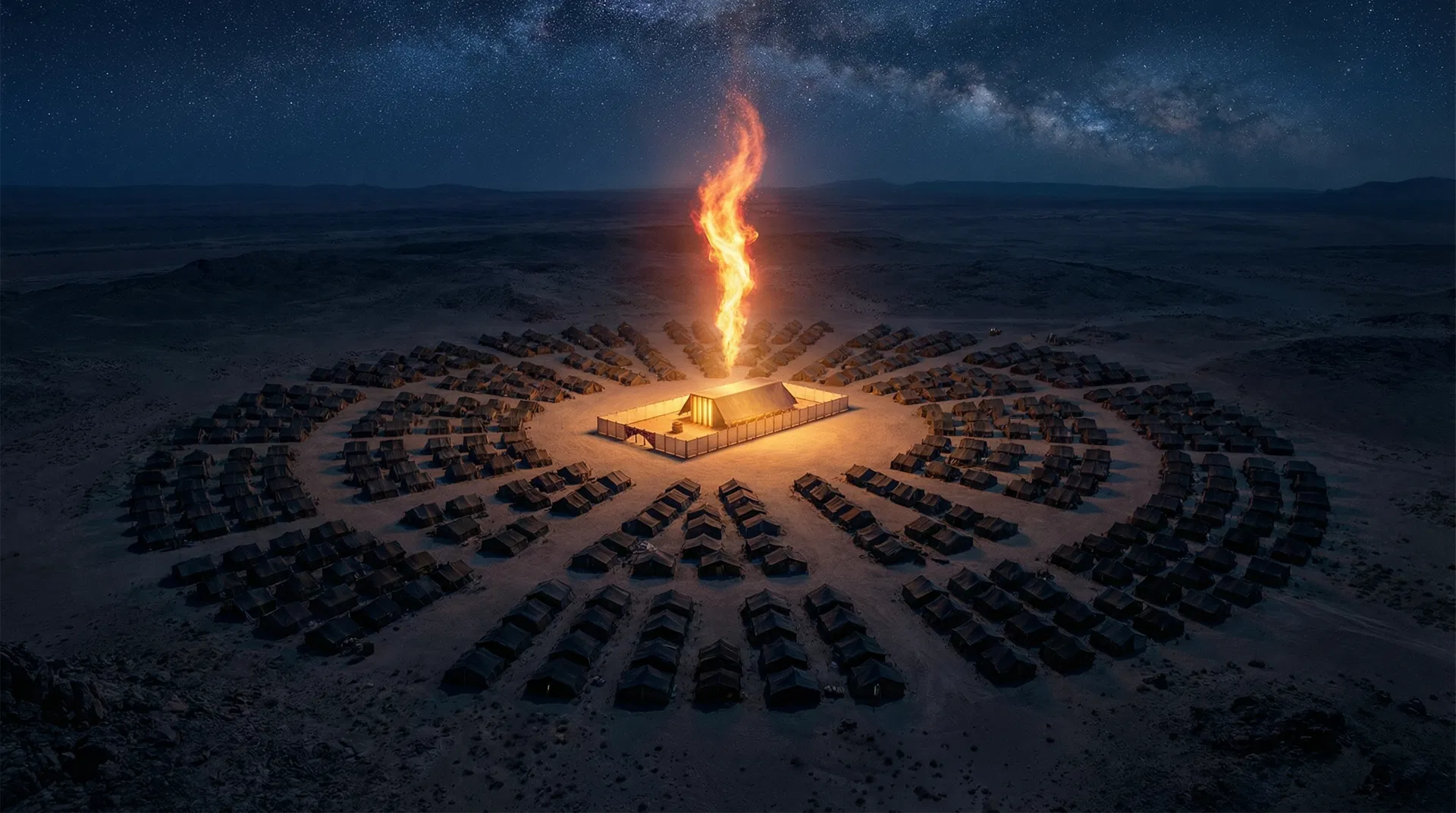
The Israelite Camp at Night
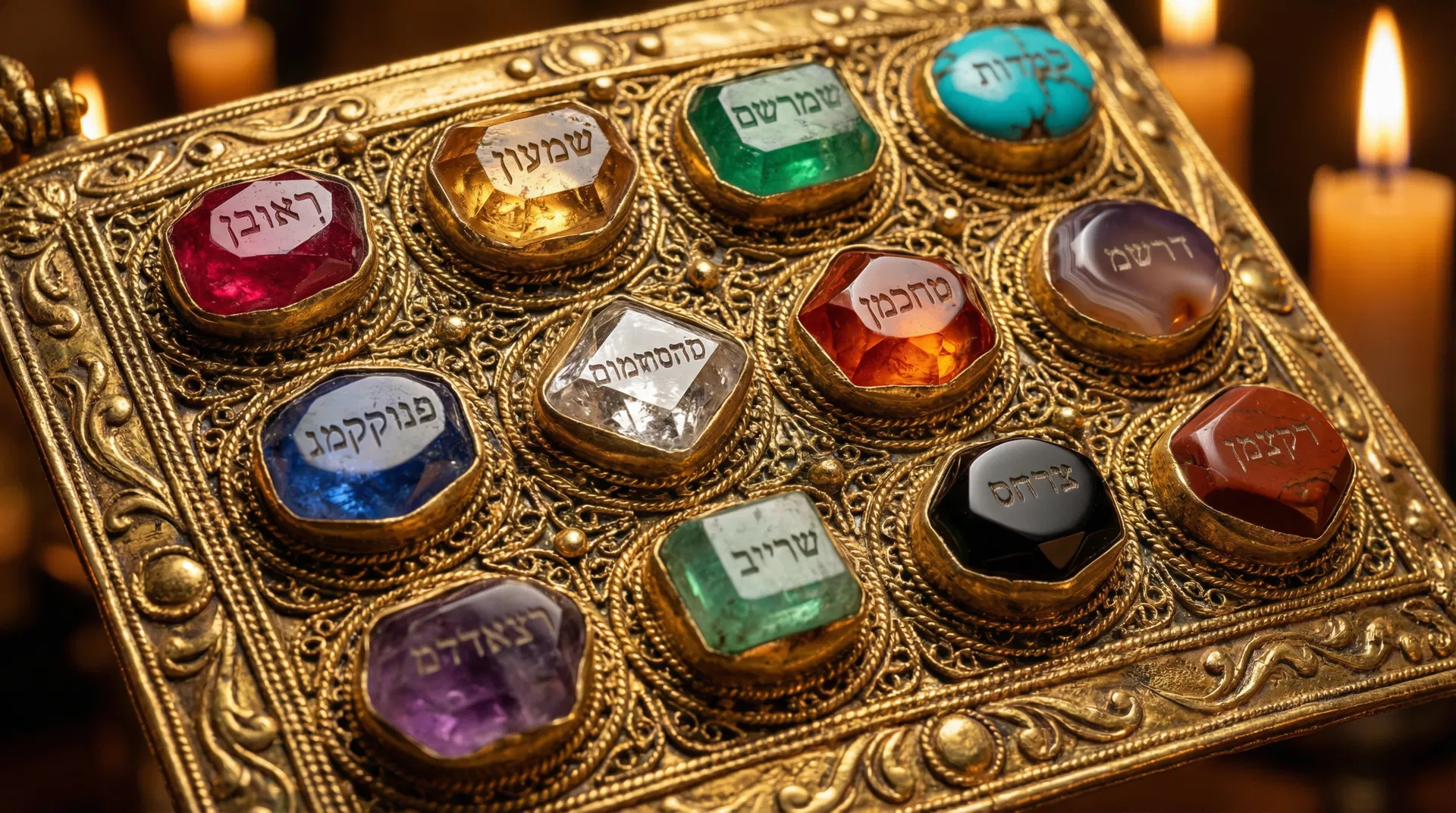
The High Priestly Breastplate
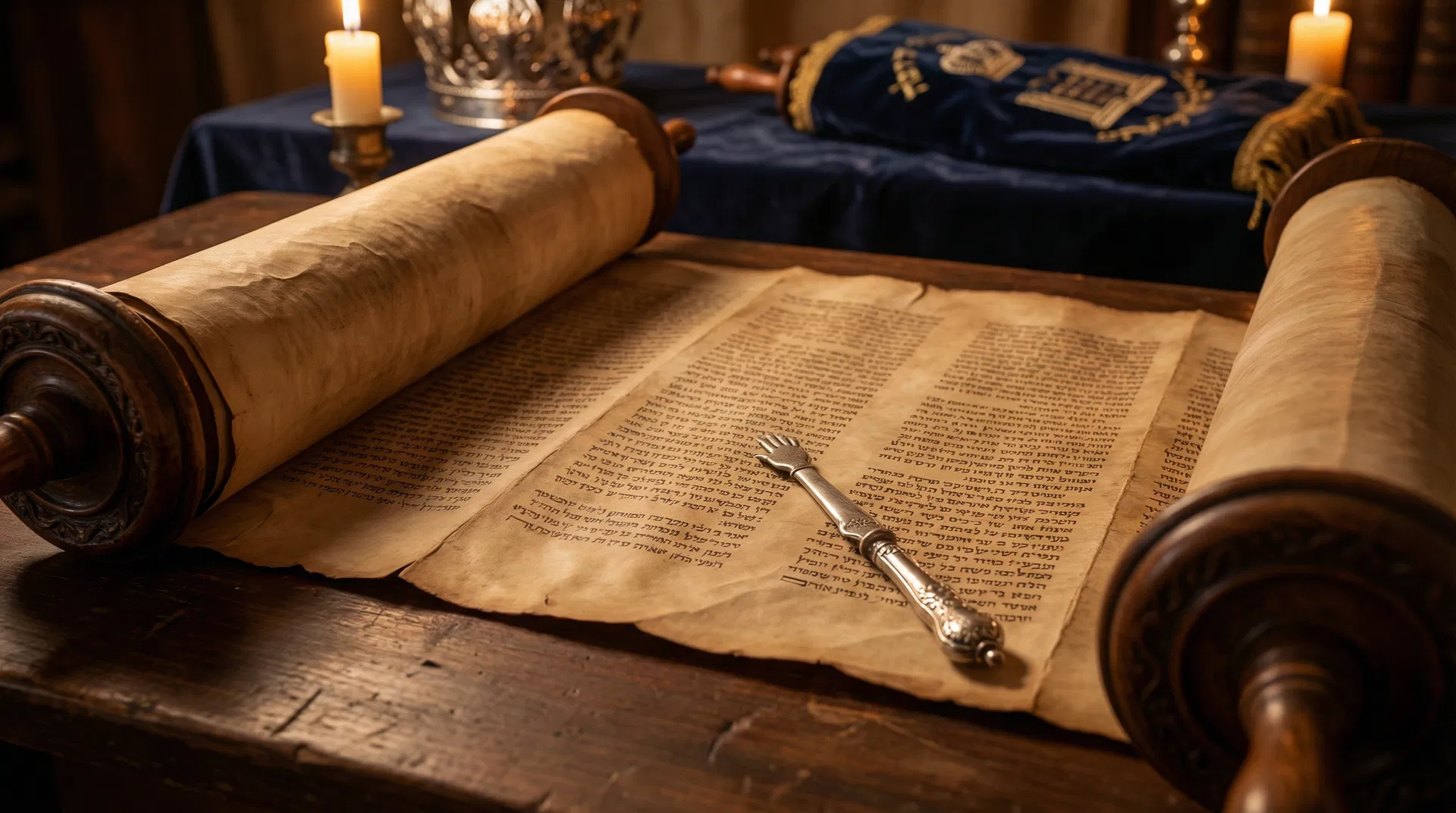
The Torah Scroll — Leviticus

Tabernacle Courtyard at Dawn
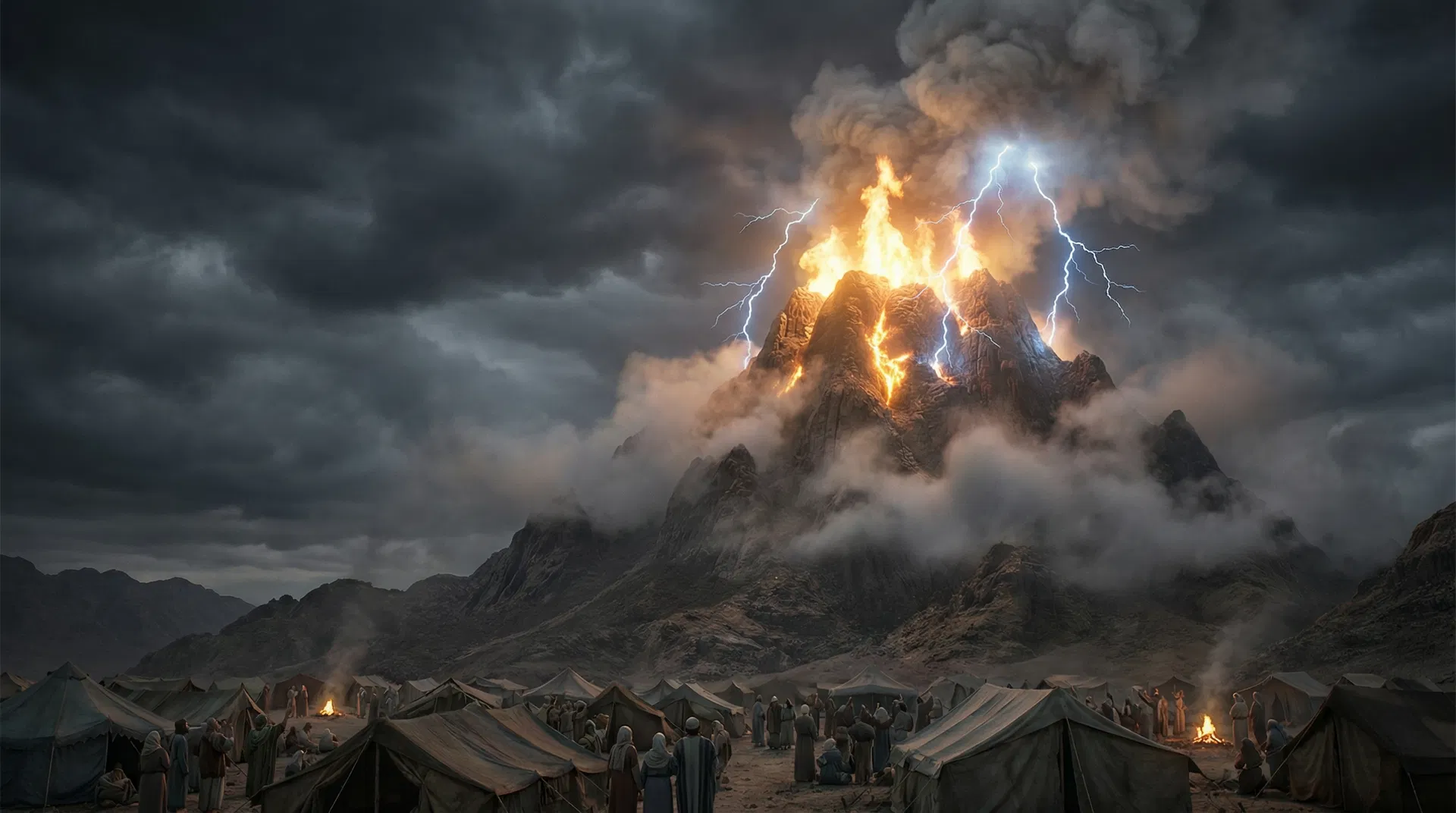
Mount Sinai — Divine Glory
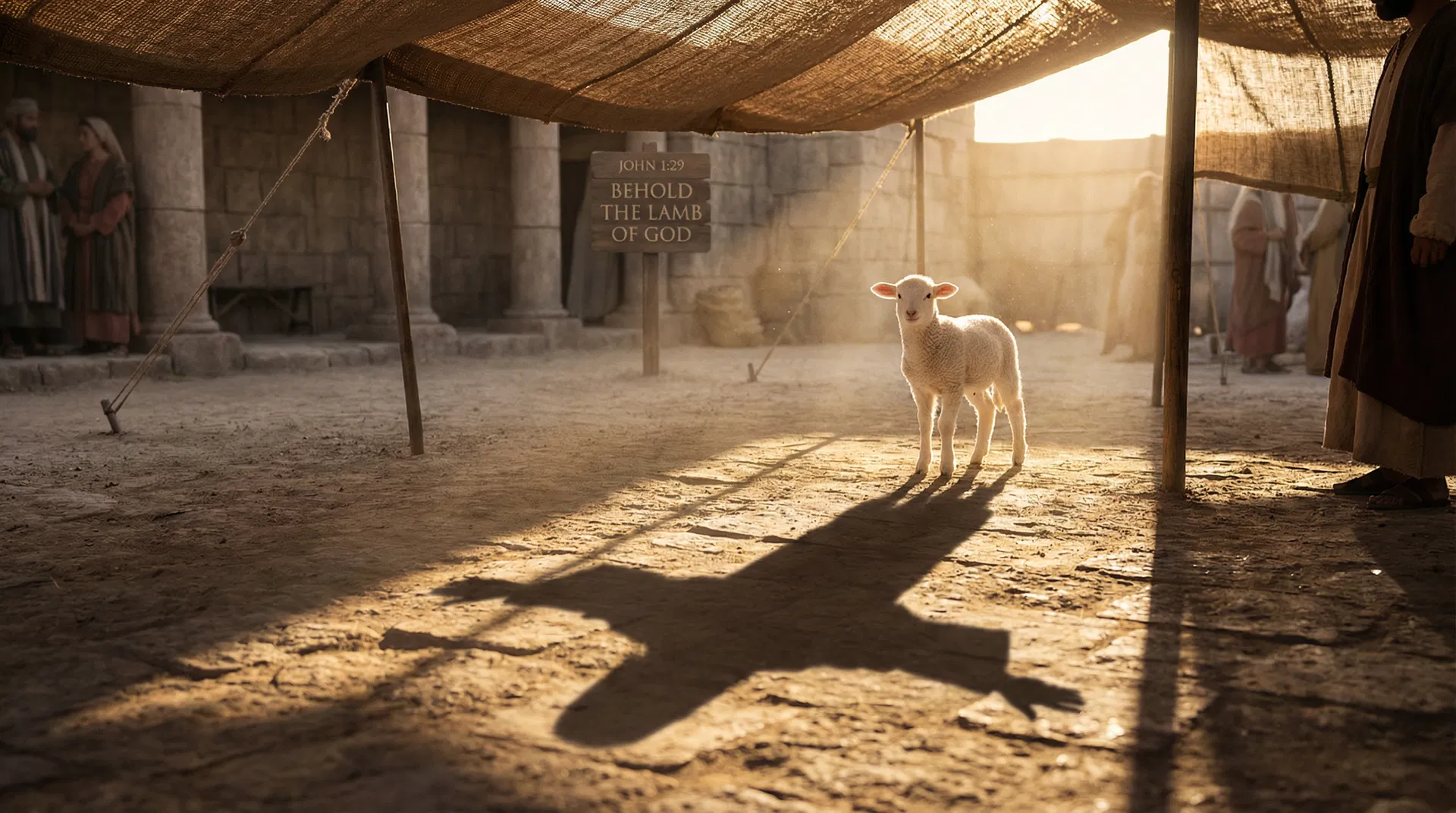
Yeshua — The Lamb of God
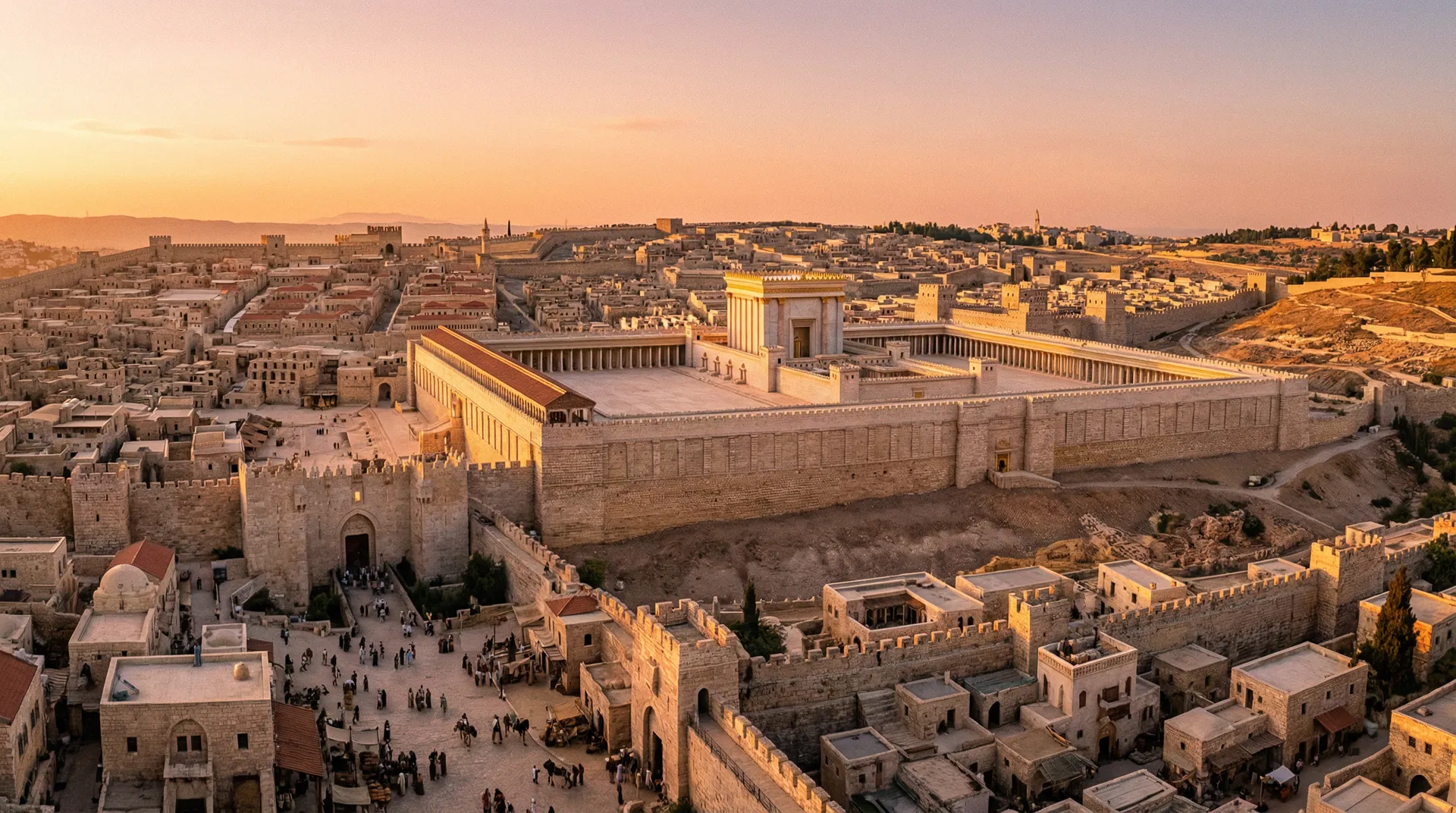
Ancient Jerusalem at Sunset
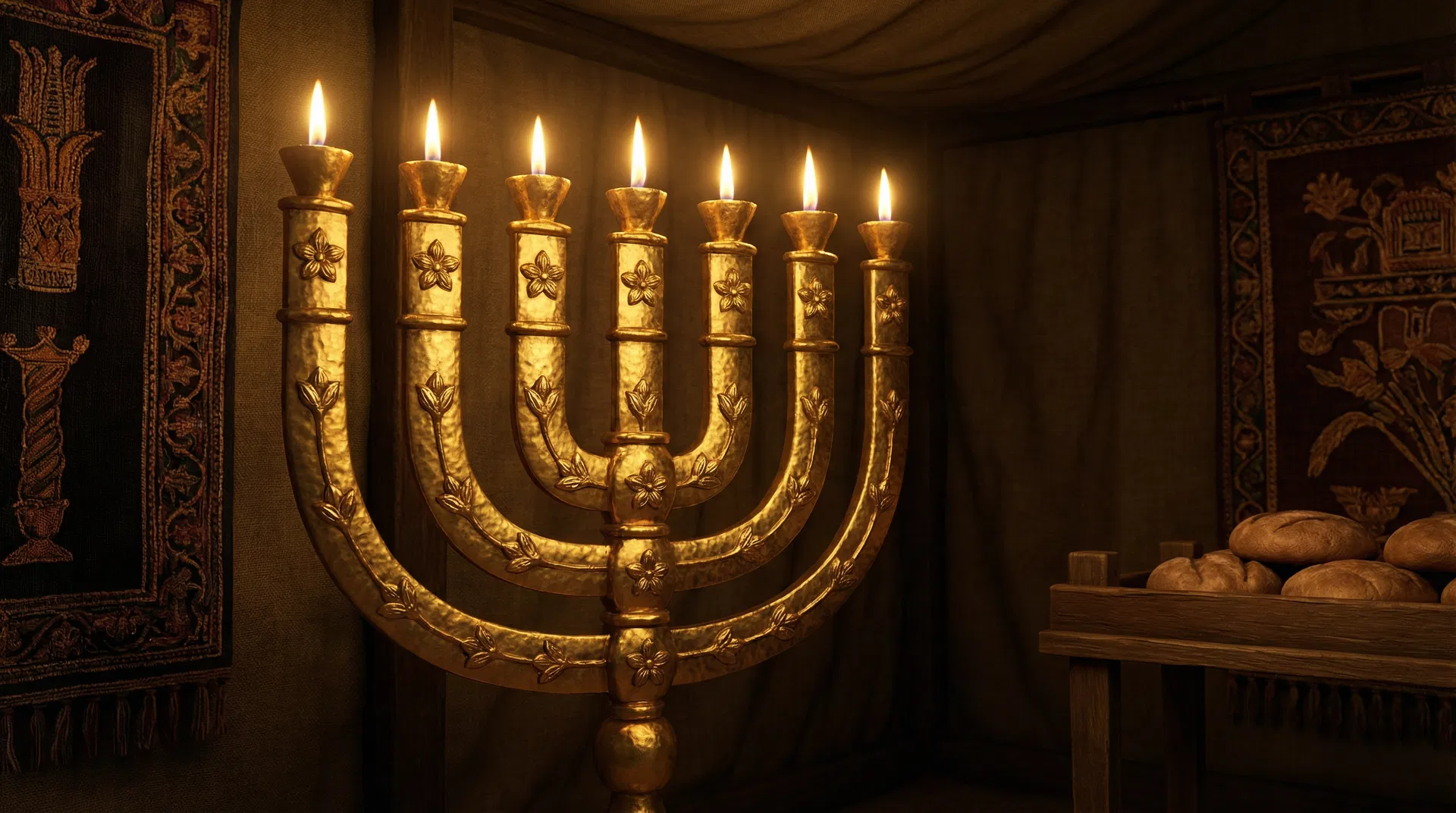
The Golden Menorah
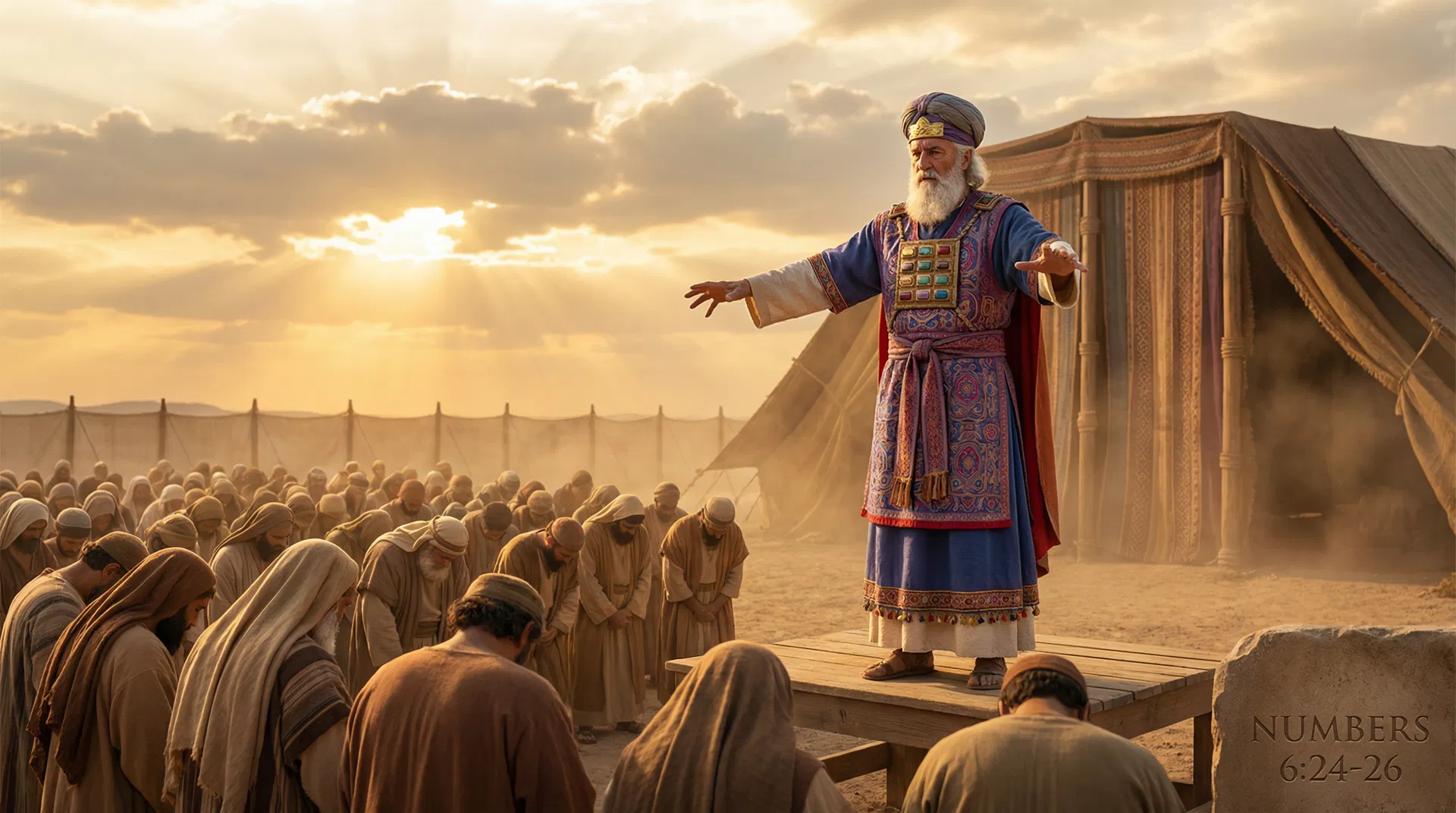
The Aaronic Blessing
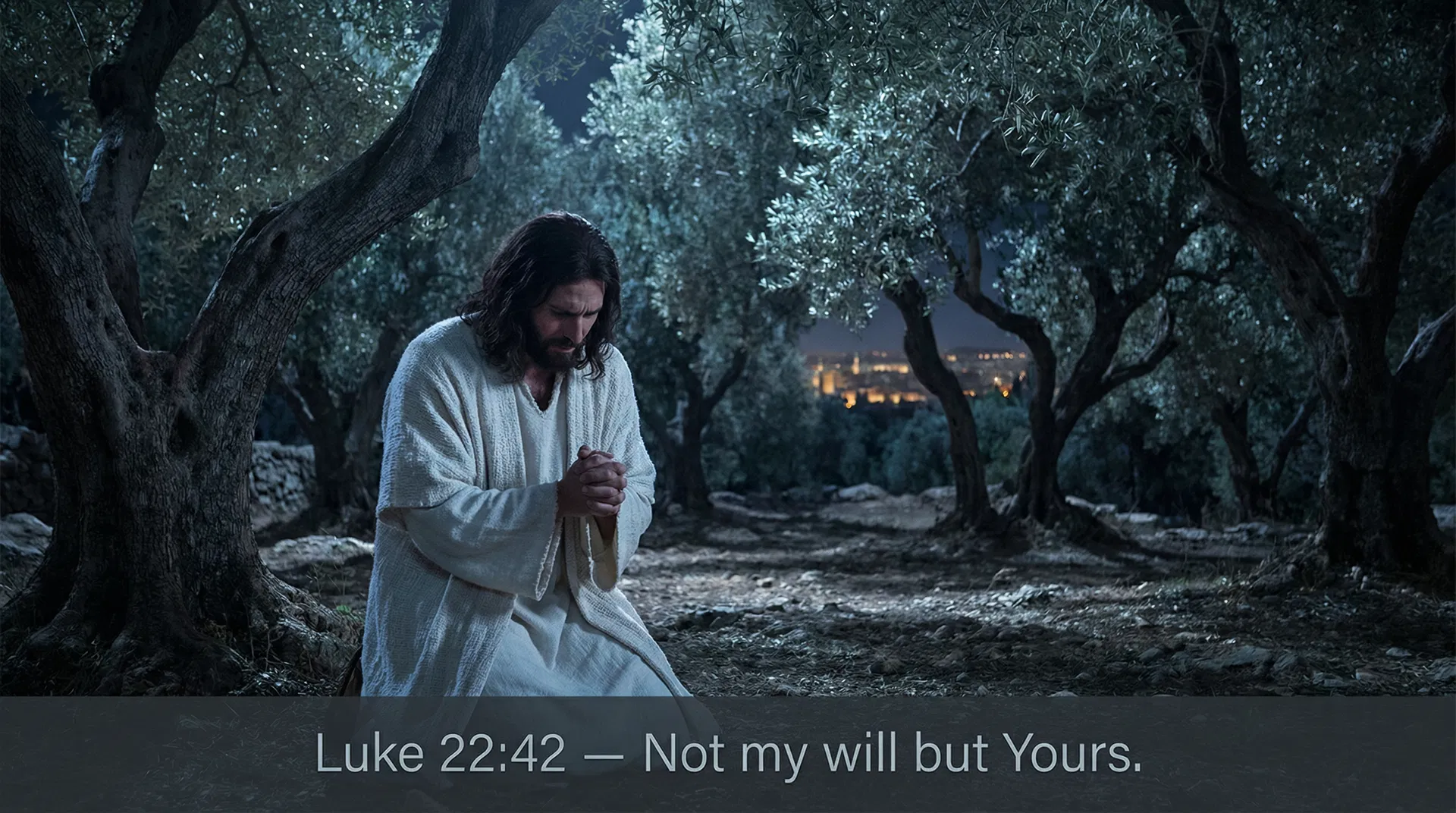
Yeshua in Gethsemane
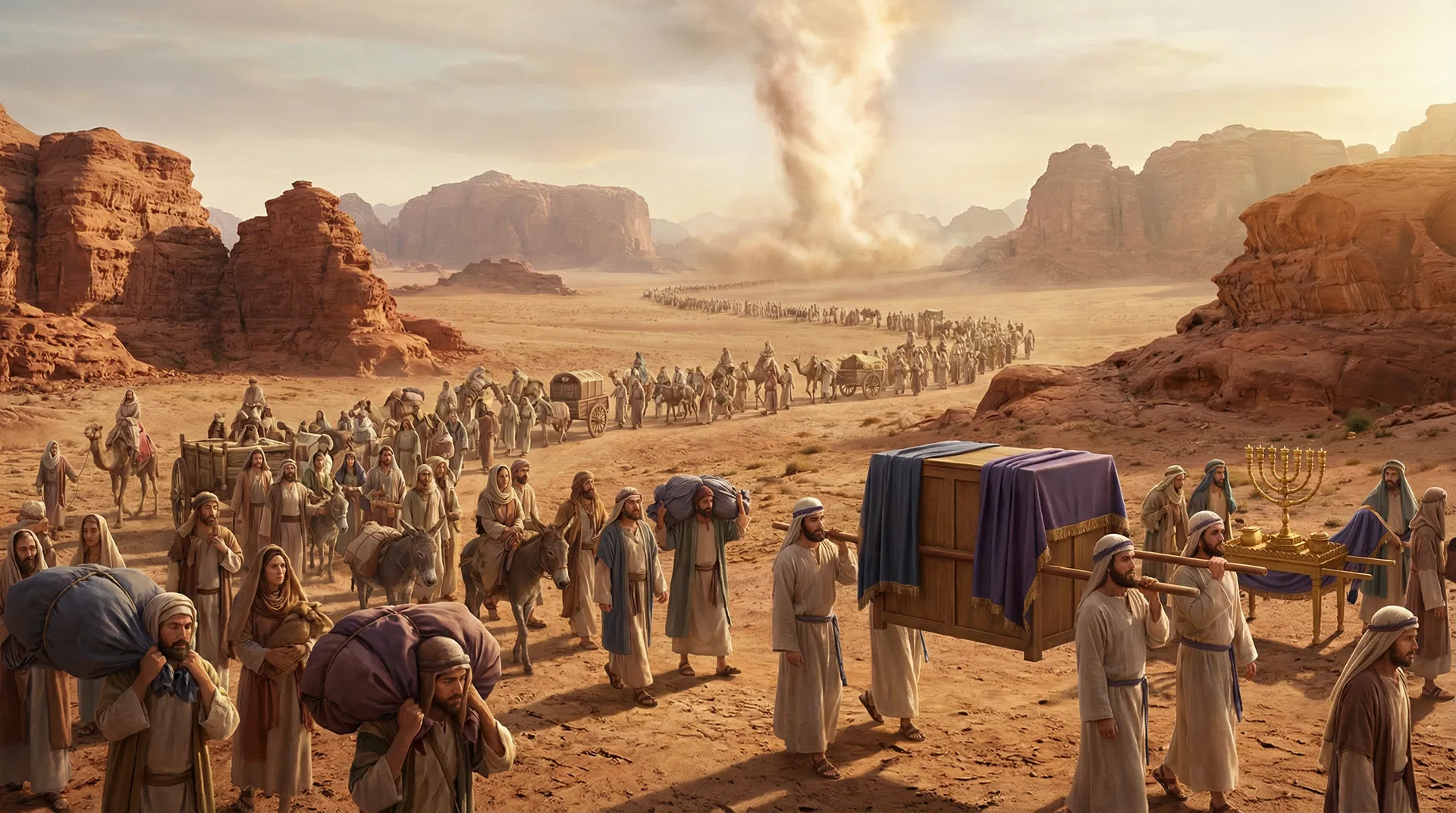
Israel Journeying with the Tabernacle

The Sinai Wilderness
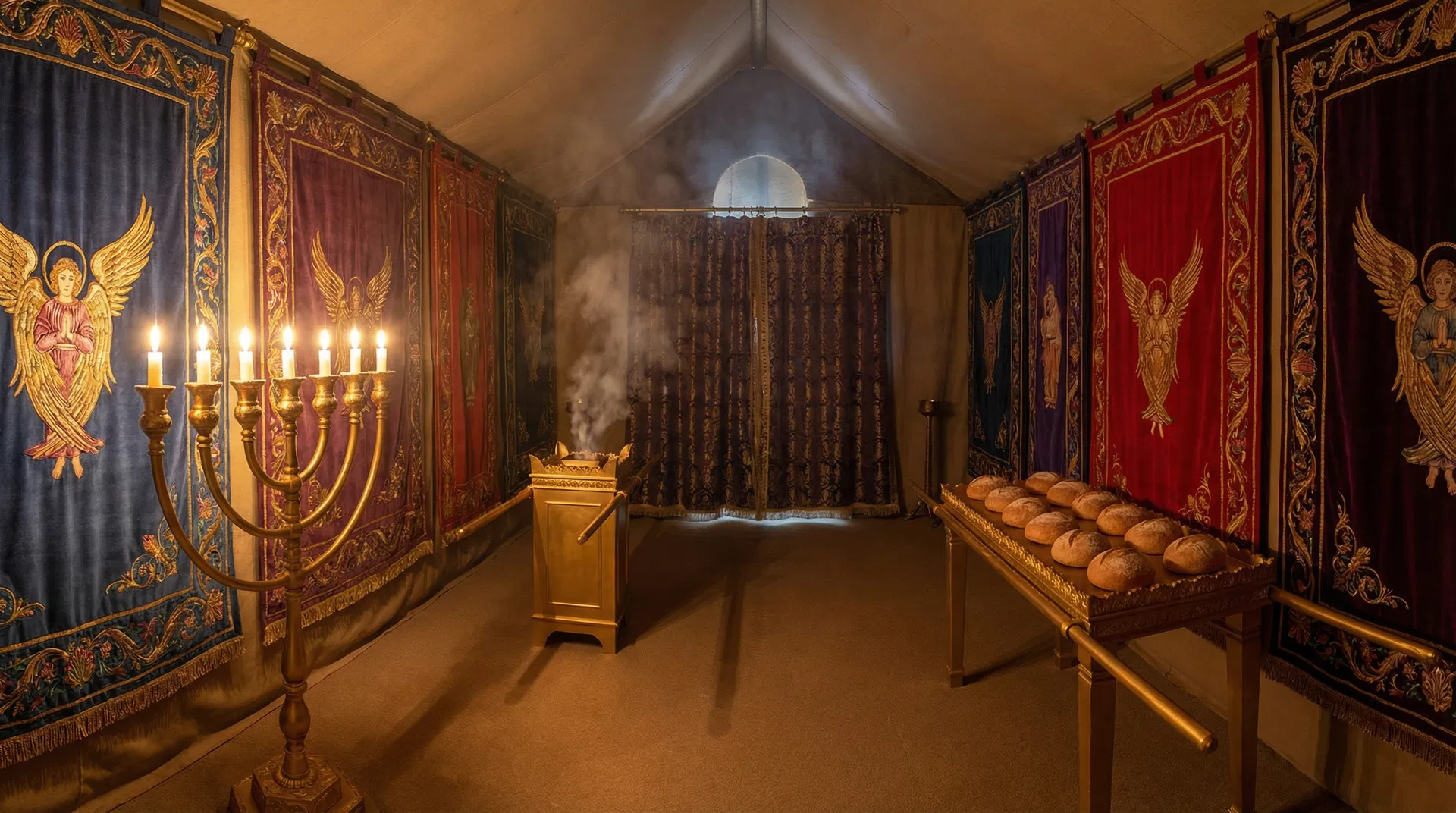
The Tabernacle Holy Place
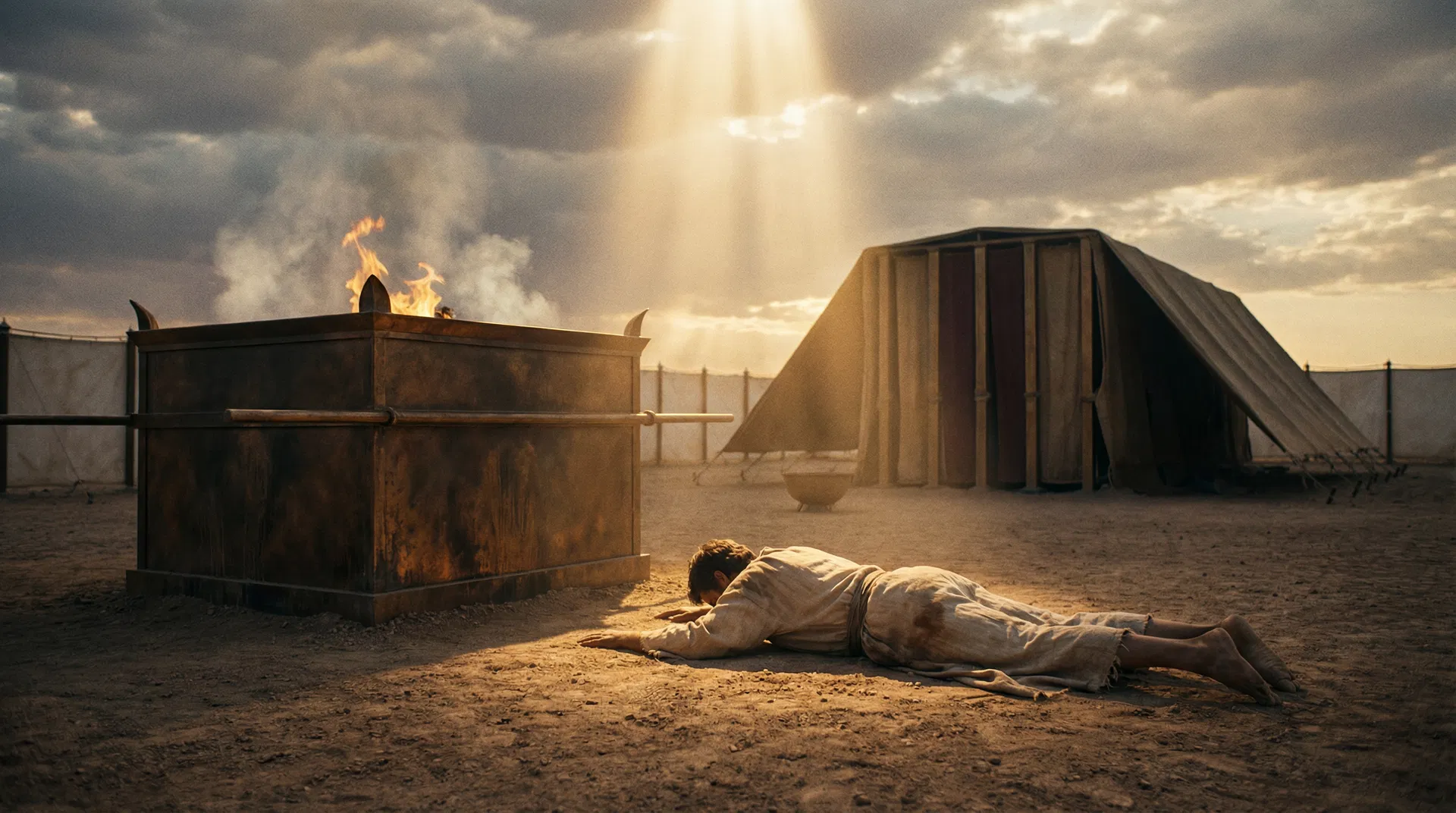
Total Surrender Before the Altar
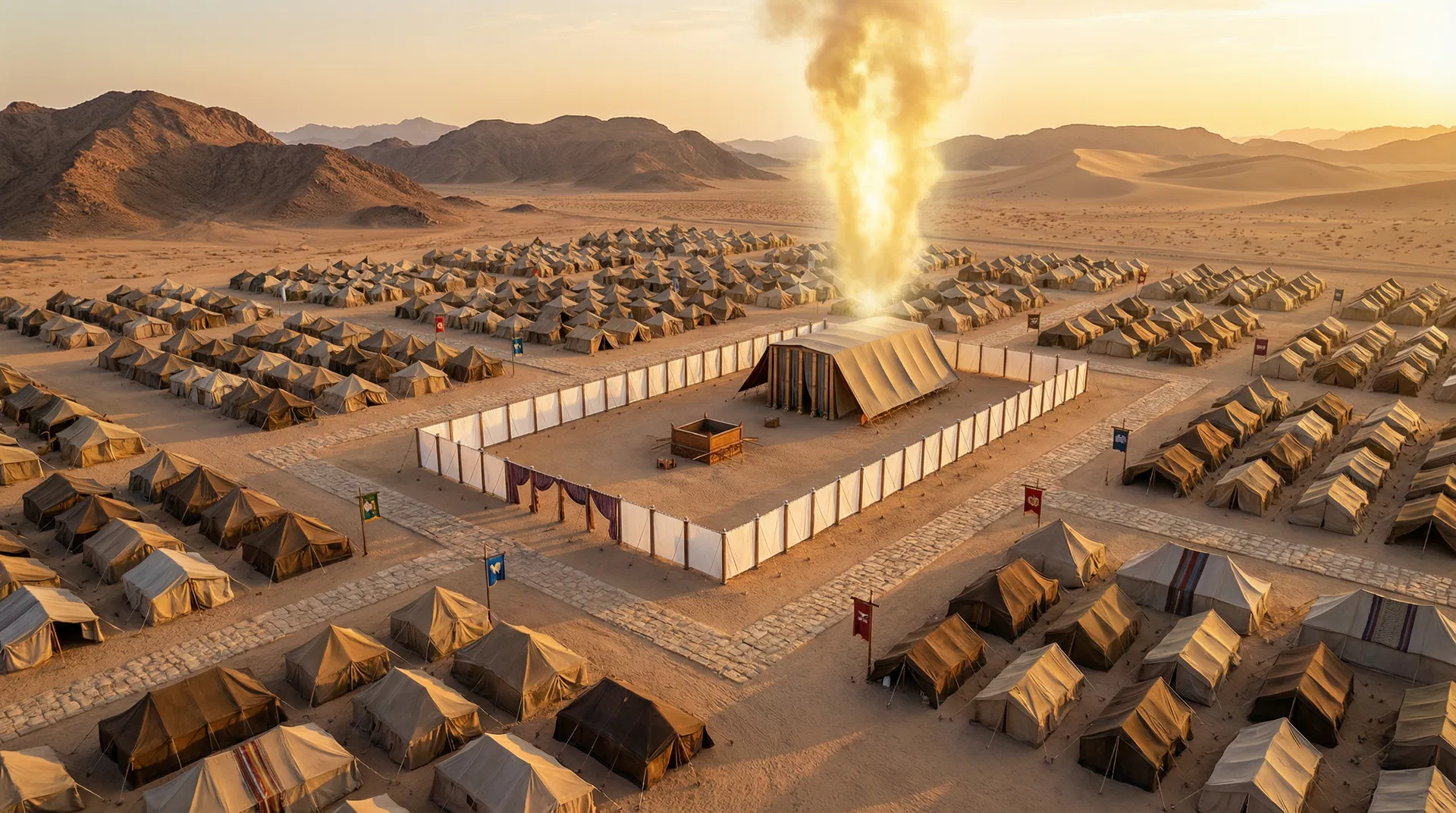
The Divine Architecture of Approach
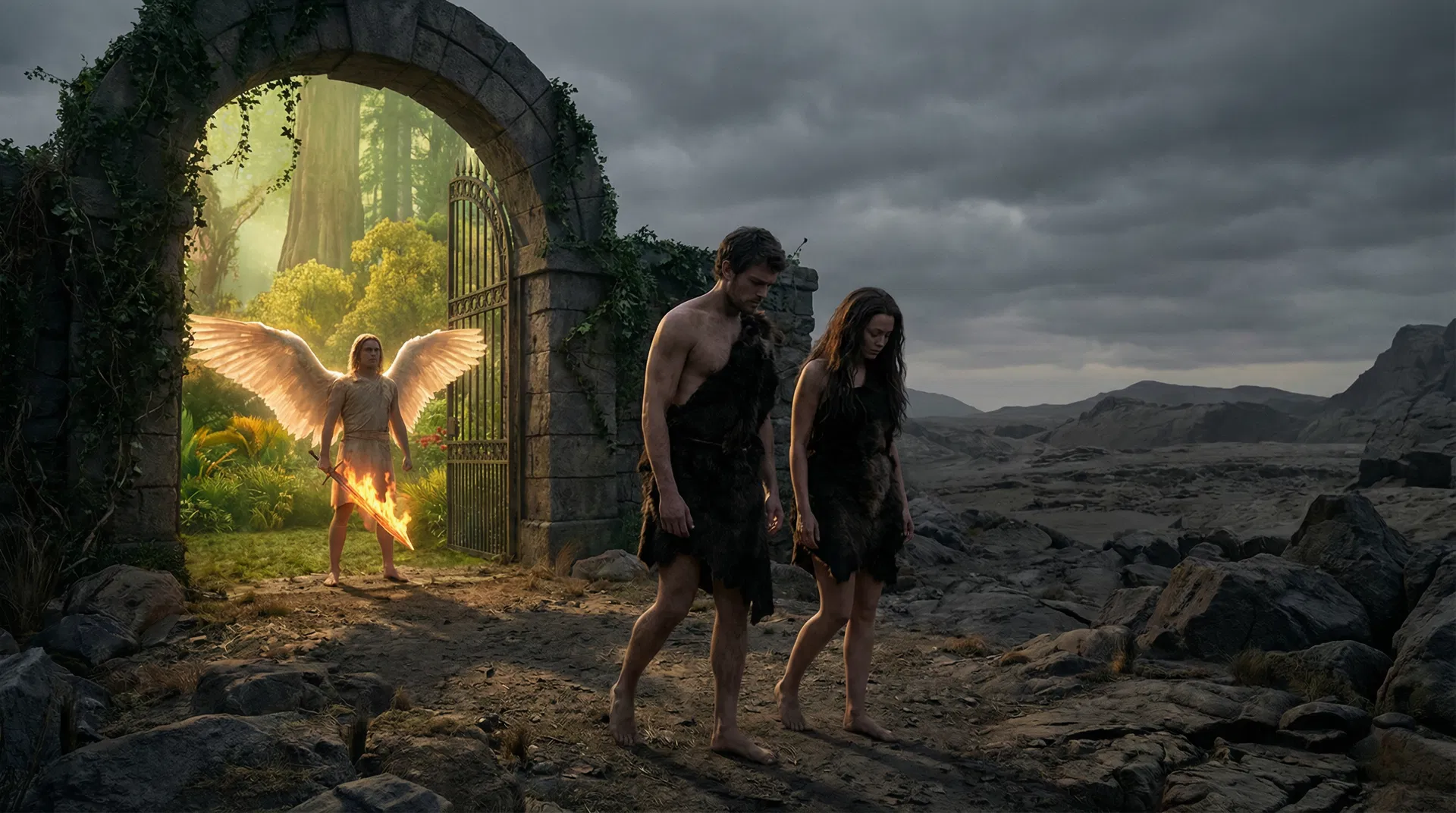
Adam and Eve Expelled from Eden

Cherubim Guarding the Tree of Life
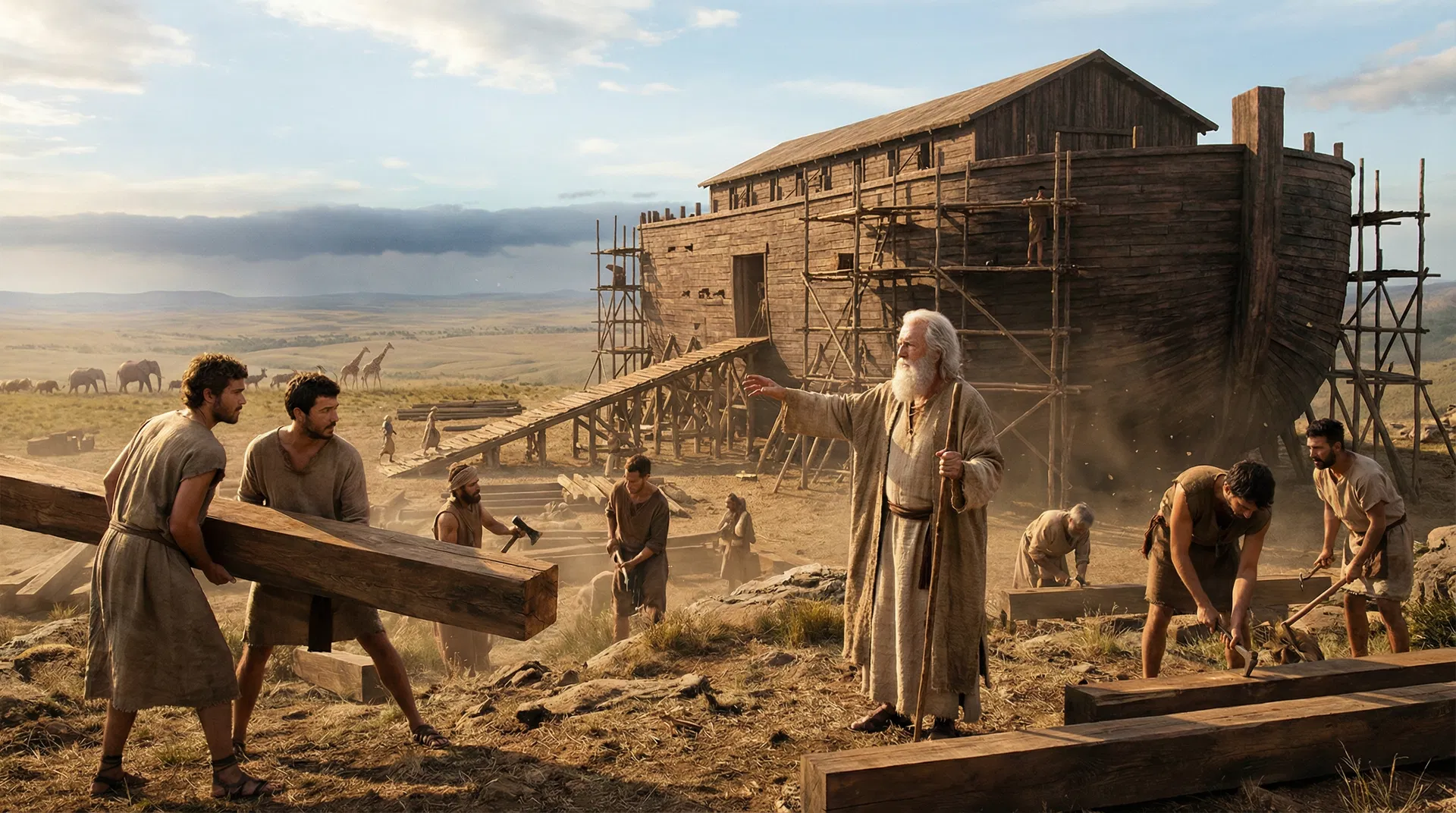
Noah — Chosen Pillar of Restoration

Abraham on Mount Moriah — The Cost of Sacrifice

Moses Receives the Heavenly Pattern
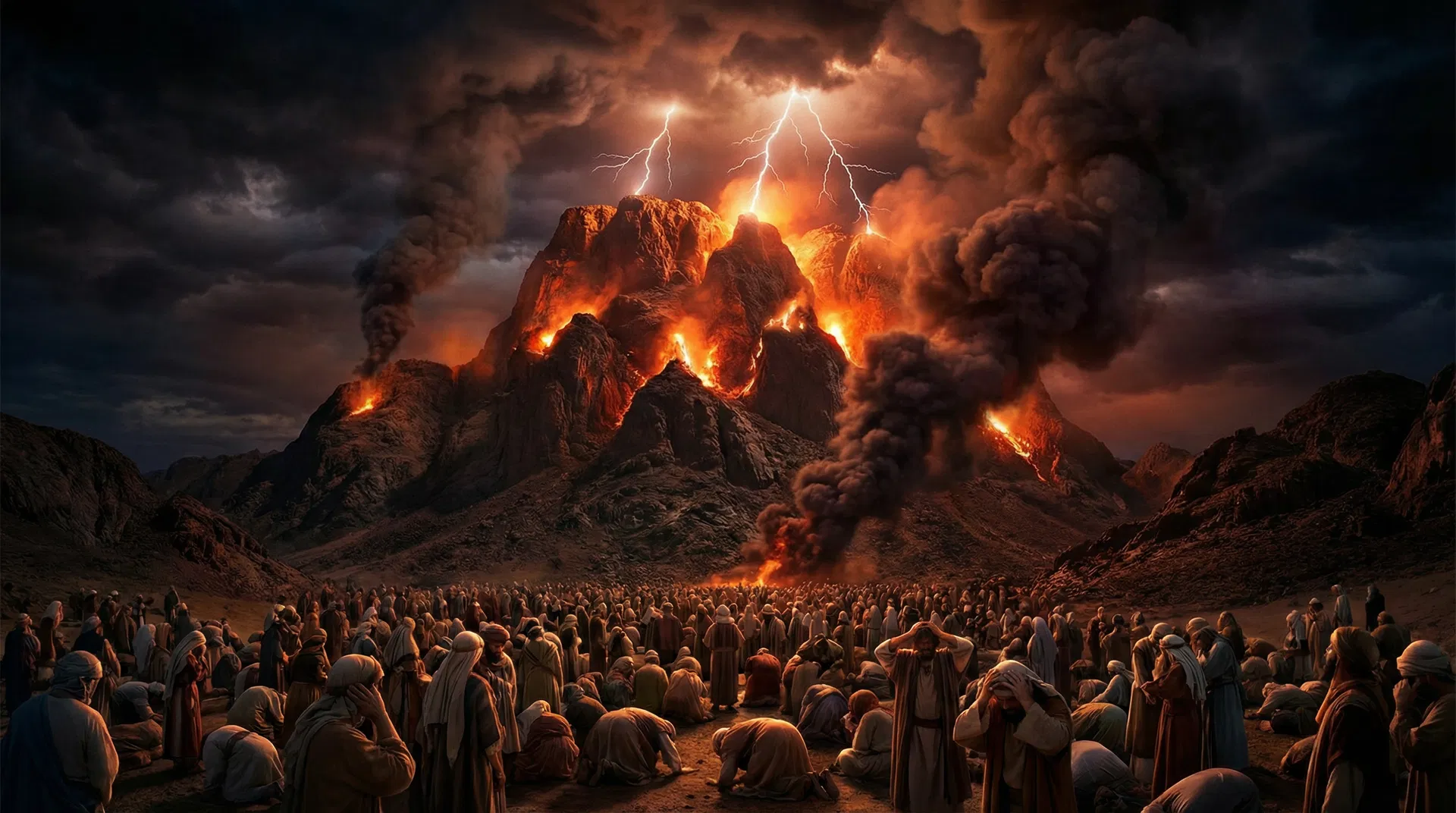
Sinai — The Thunderous Voice of God
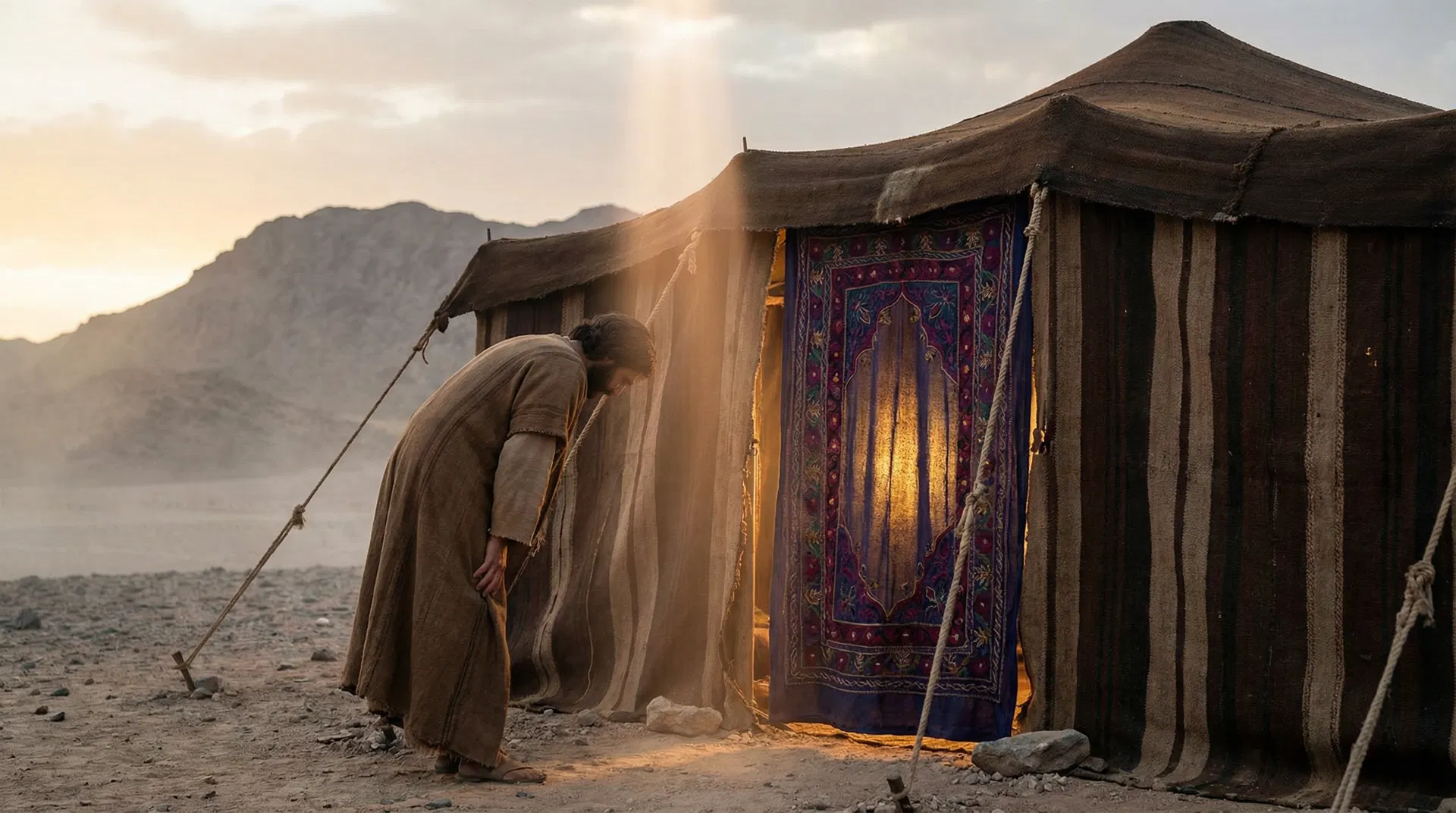
The Quiet Voice at the Tent Threshold
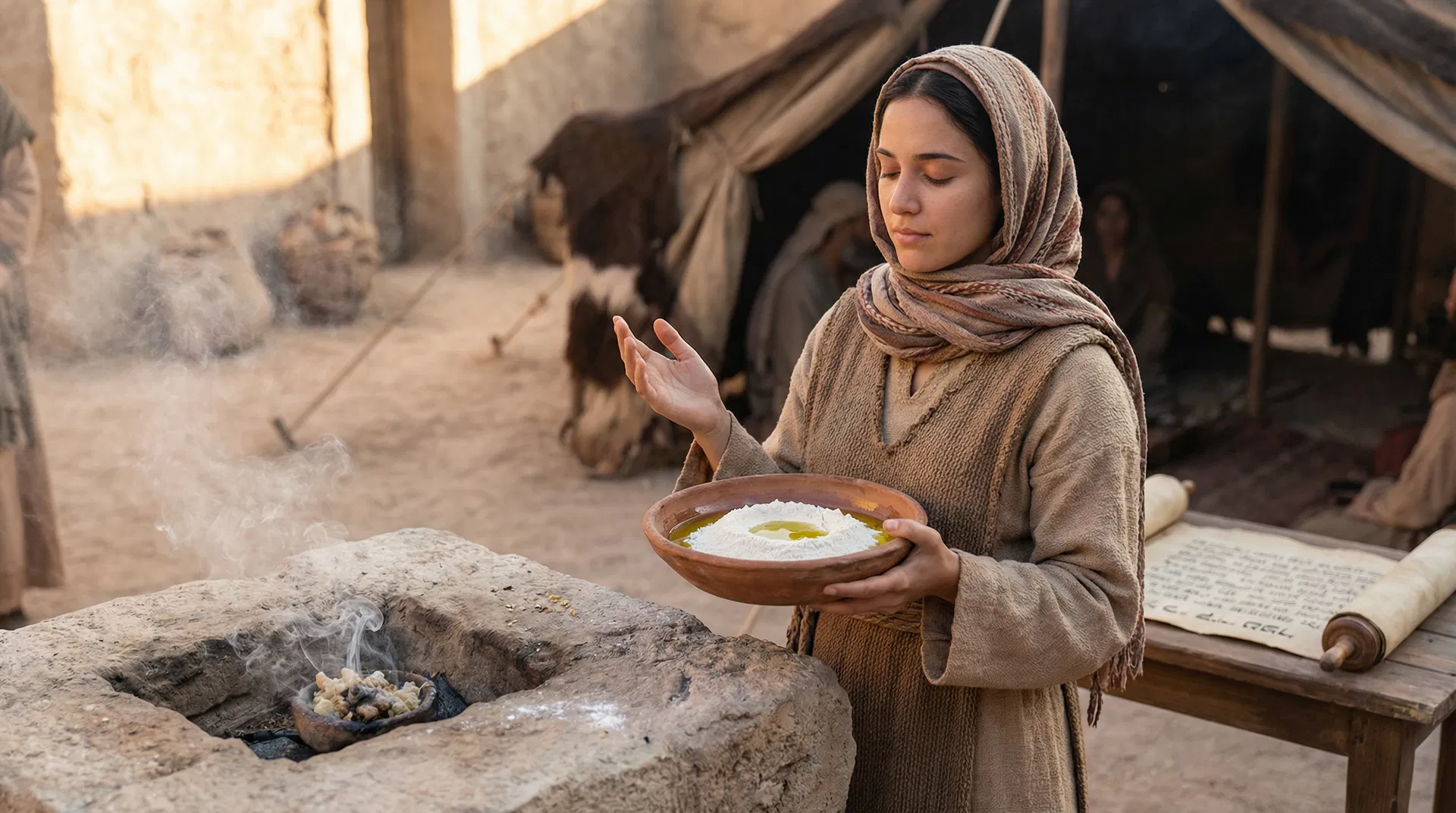
Fine Flour — The Nephesh Offering
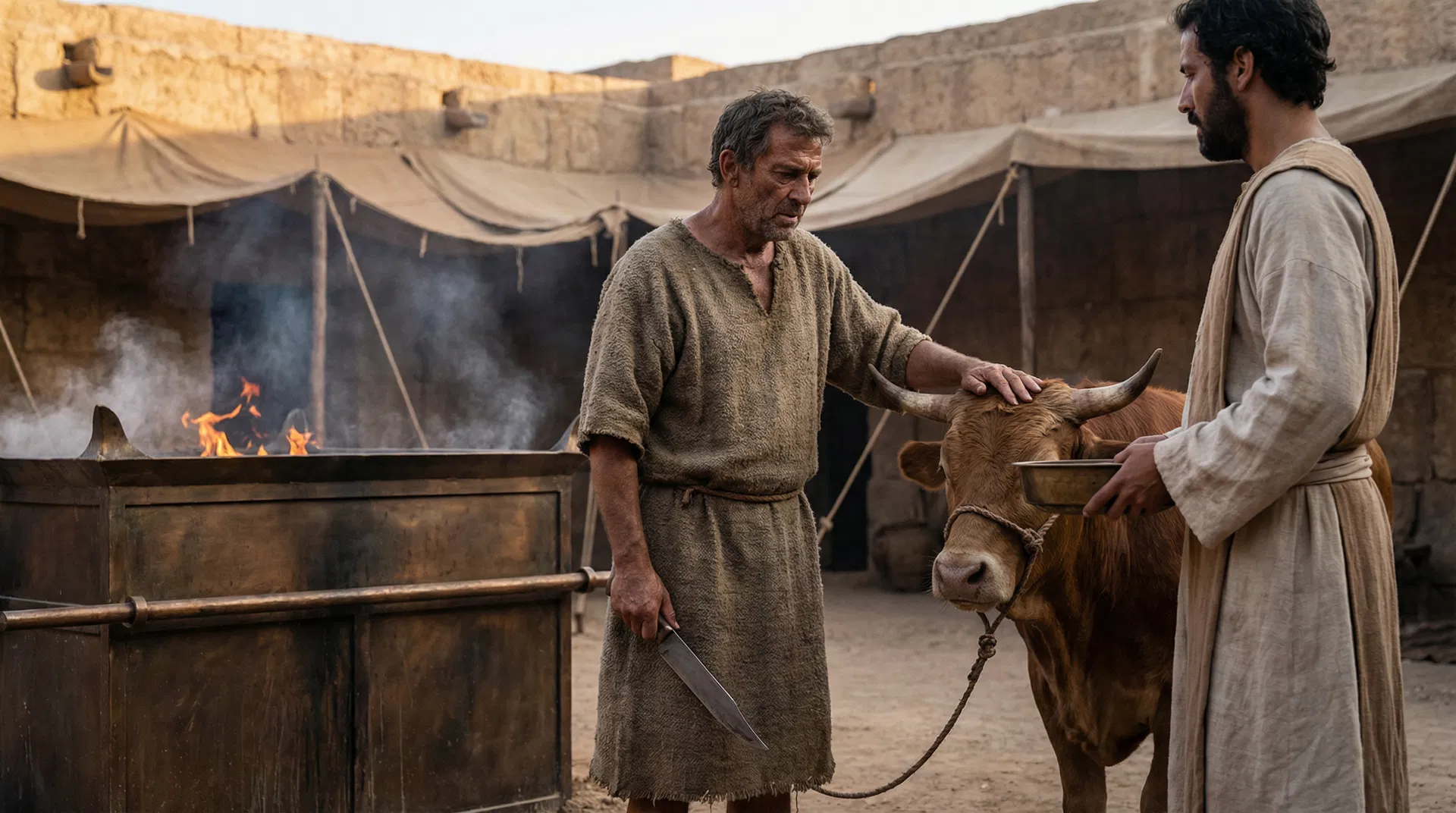
The Worshipper Holds the Knife
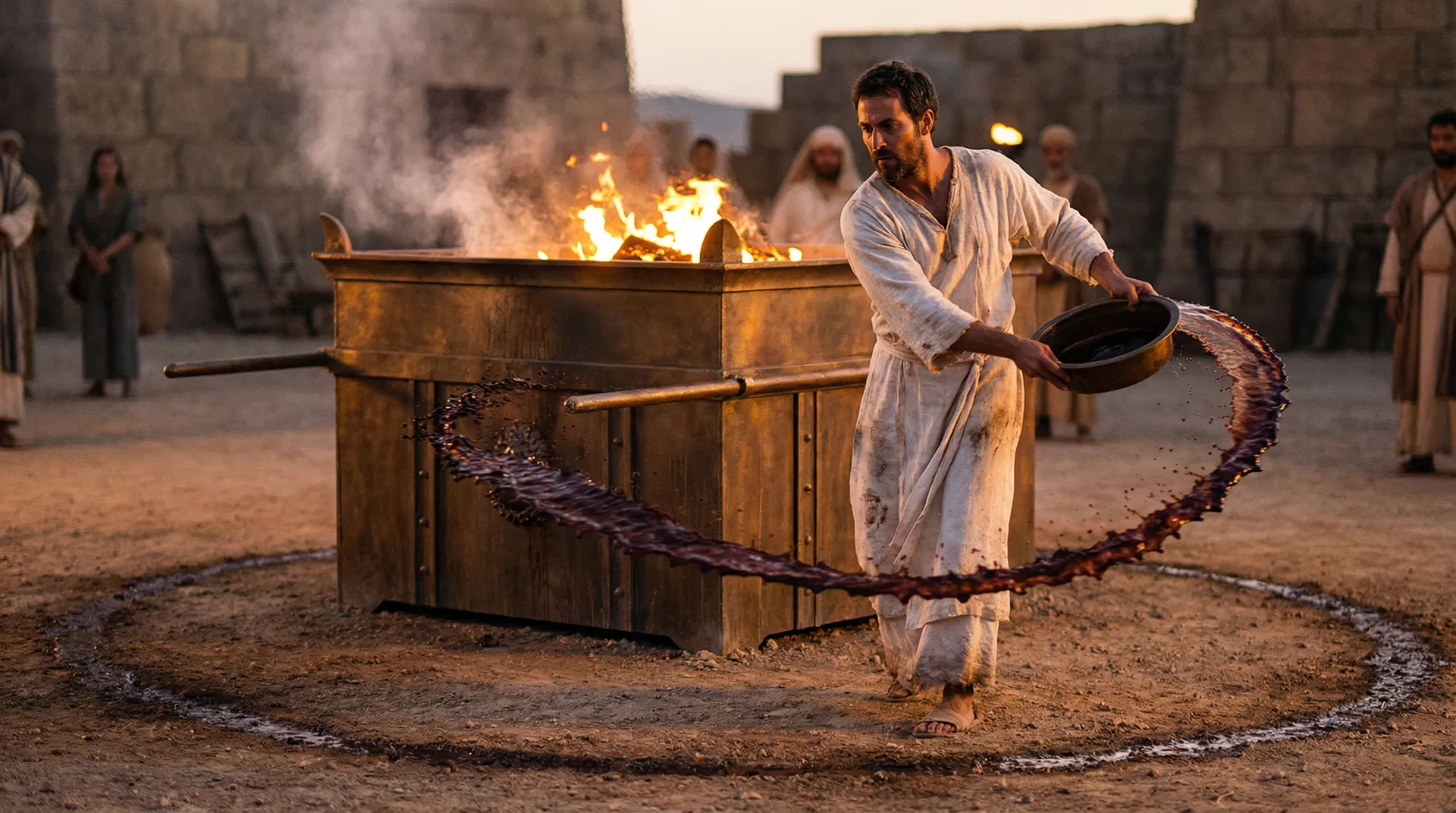
Zarak — Blood Sprinkled in Full Circumference
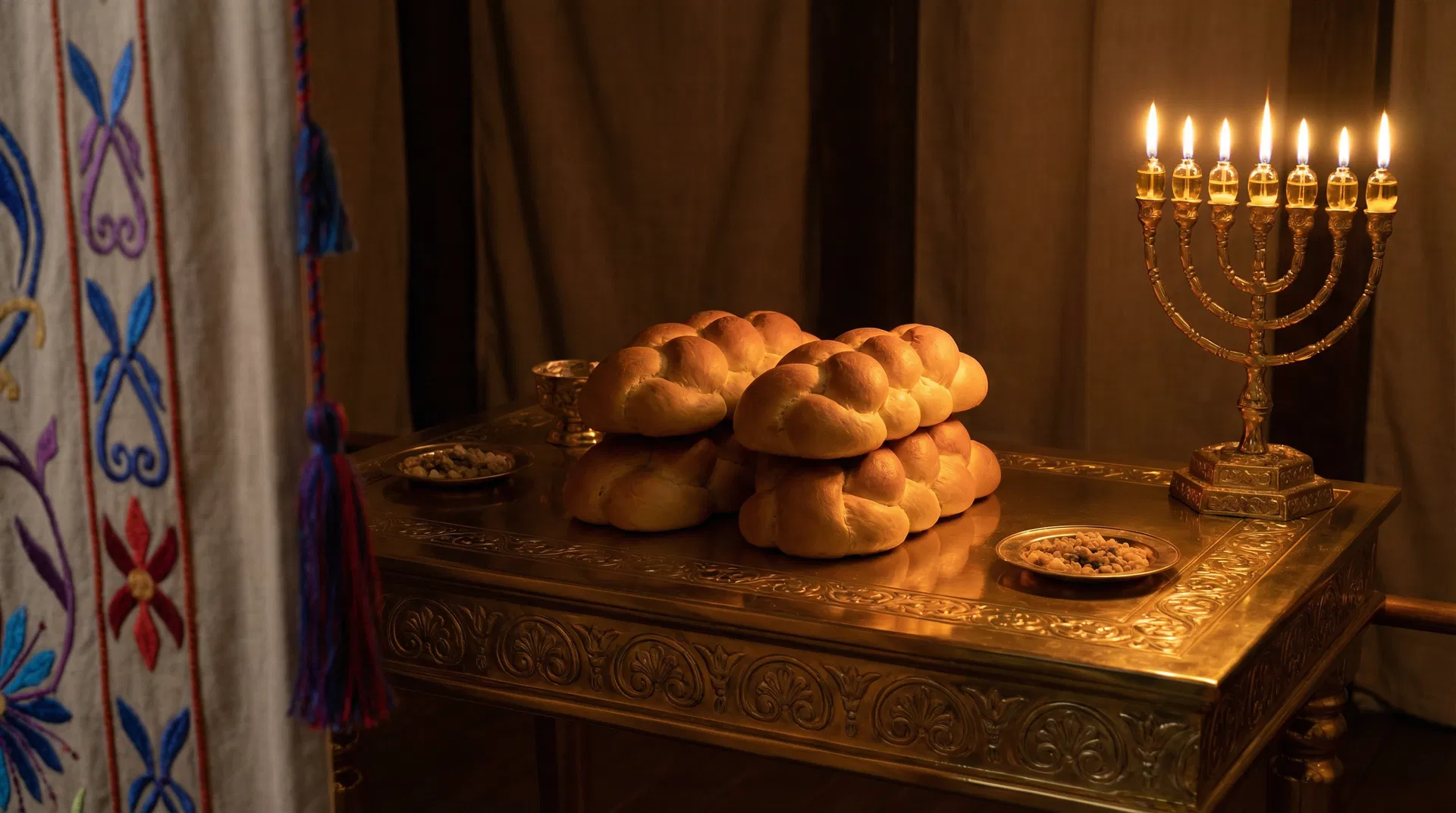
The Table of Showbread — Purpose Exposed Before God
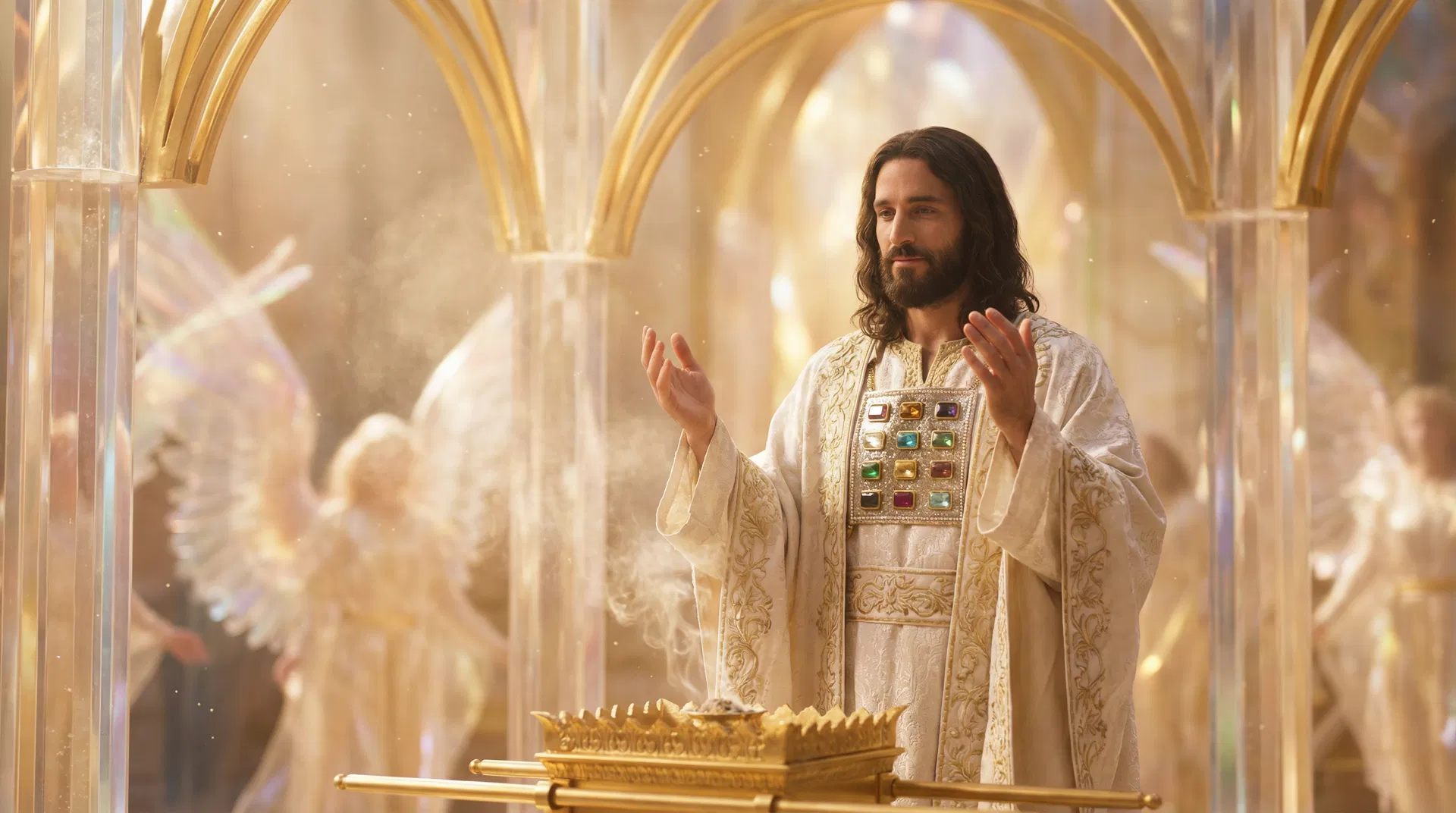
Yeshua — High Priest of the Heavenly Tabernacle
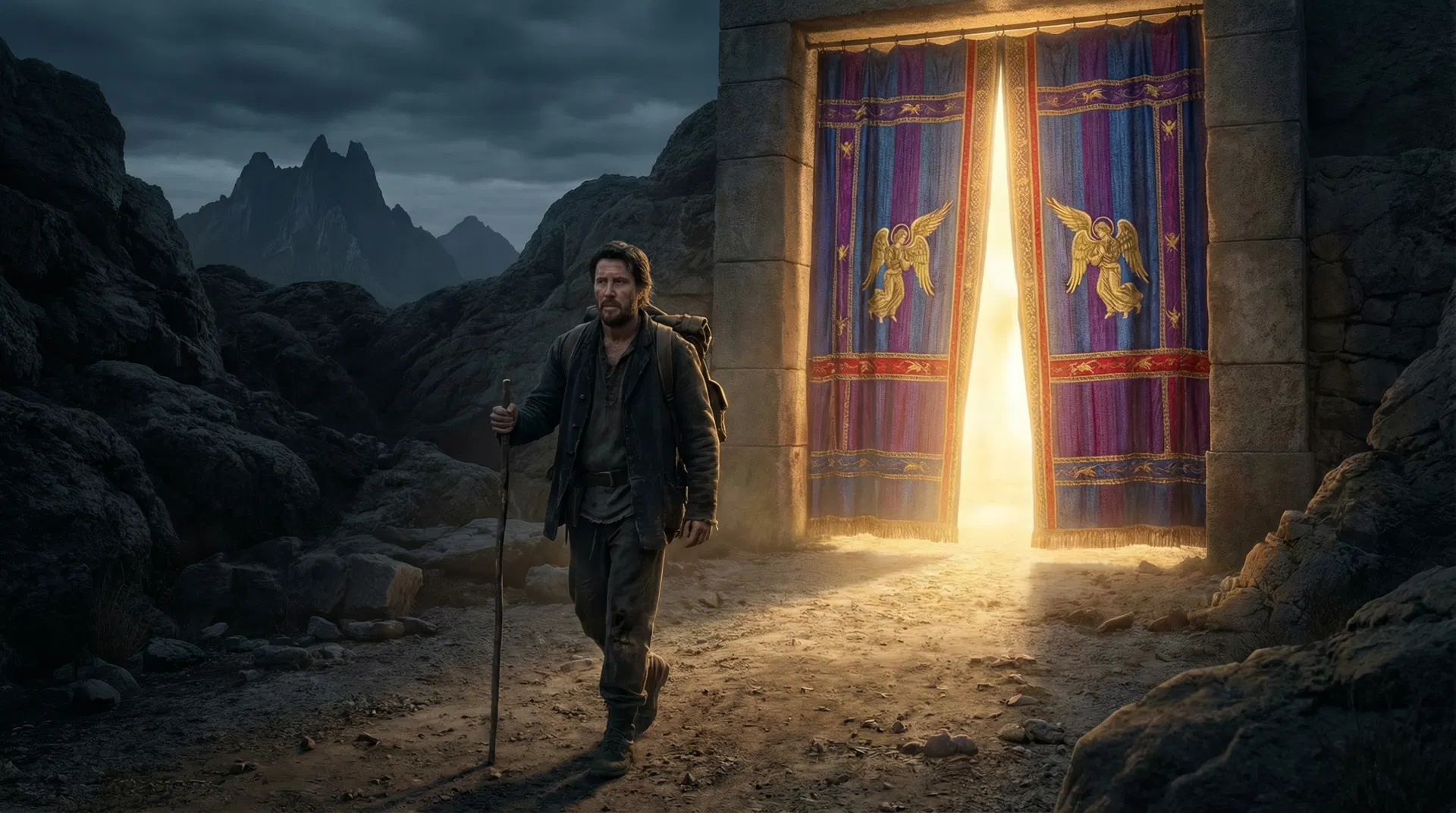
From Stronghold to Threshold
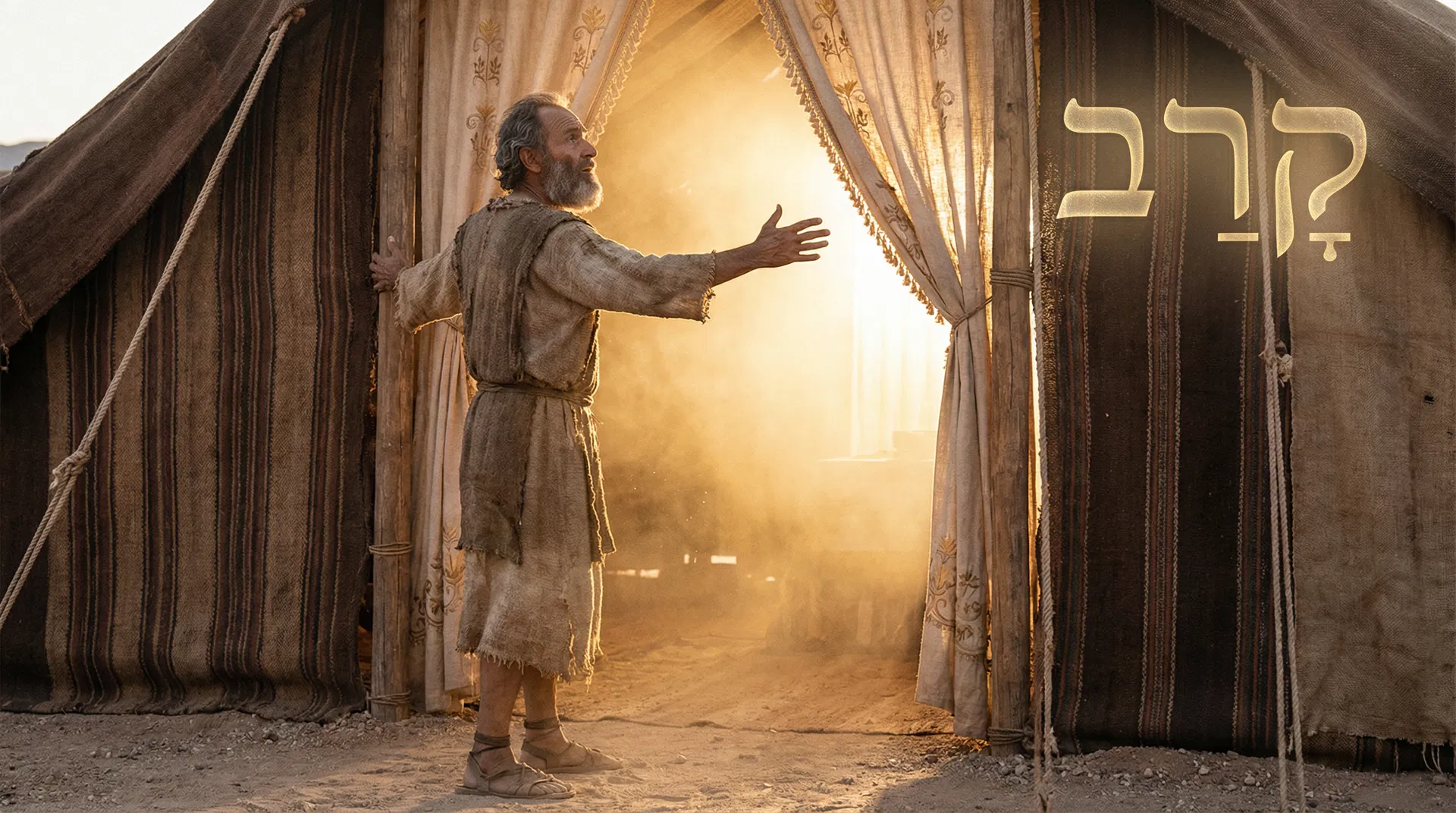
Karav — Drawing Near to God
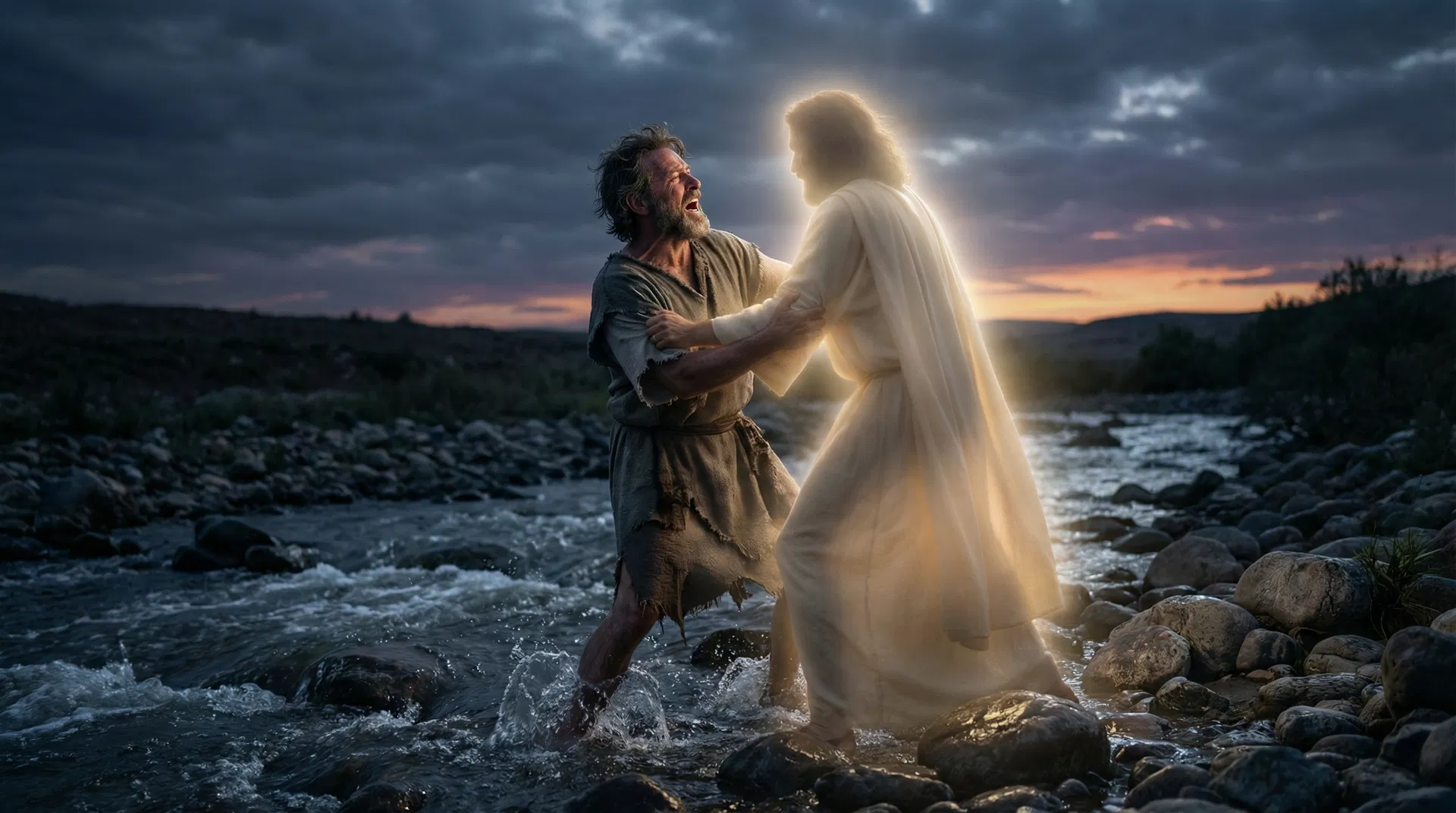
Jacob Wrestling with the Angel
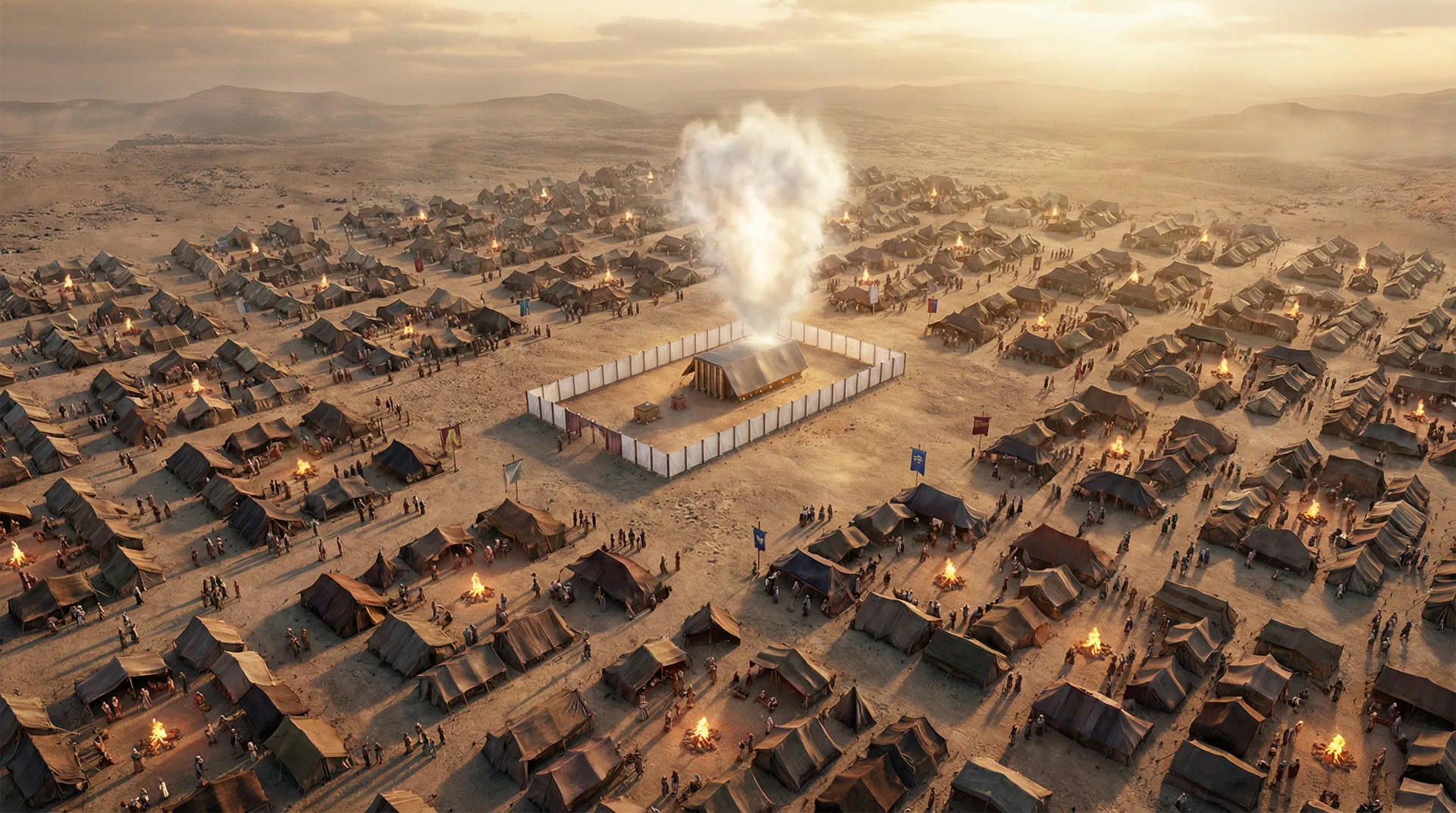
The Twelve Tribes Encamped Around the Tabernacle

Shouva — The Return to the Father

The Garden of Eden — The Tree of Life
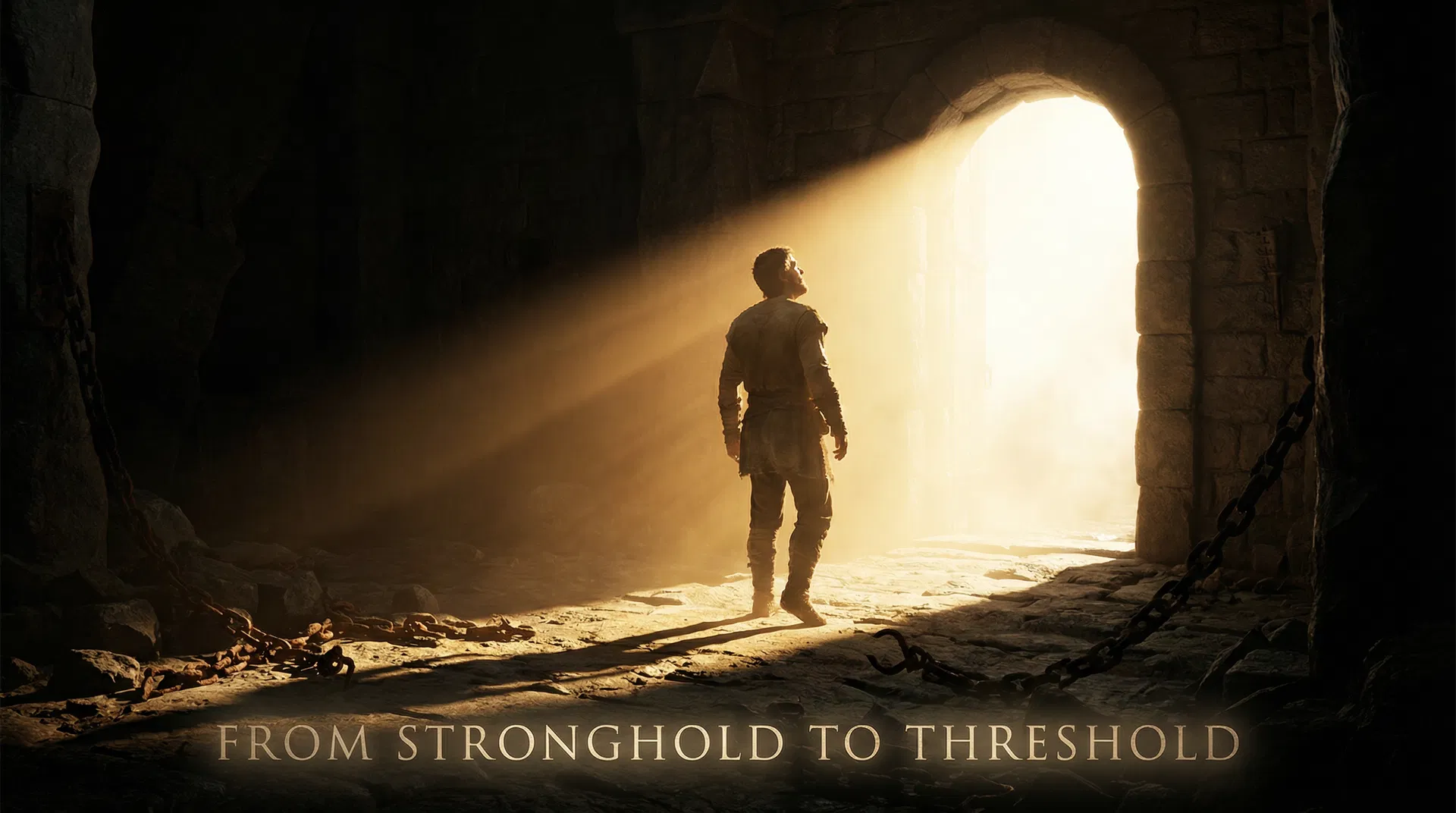
Breaking Free — From Exile to Invitation
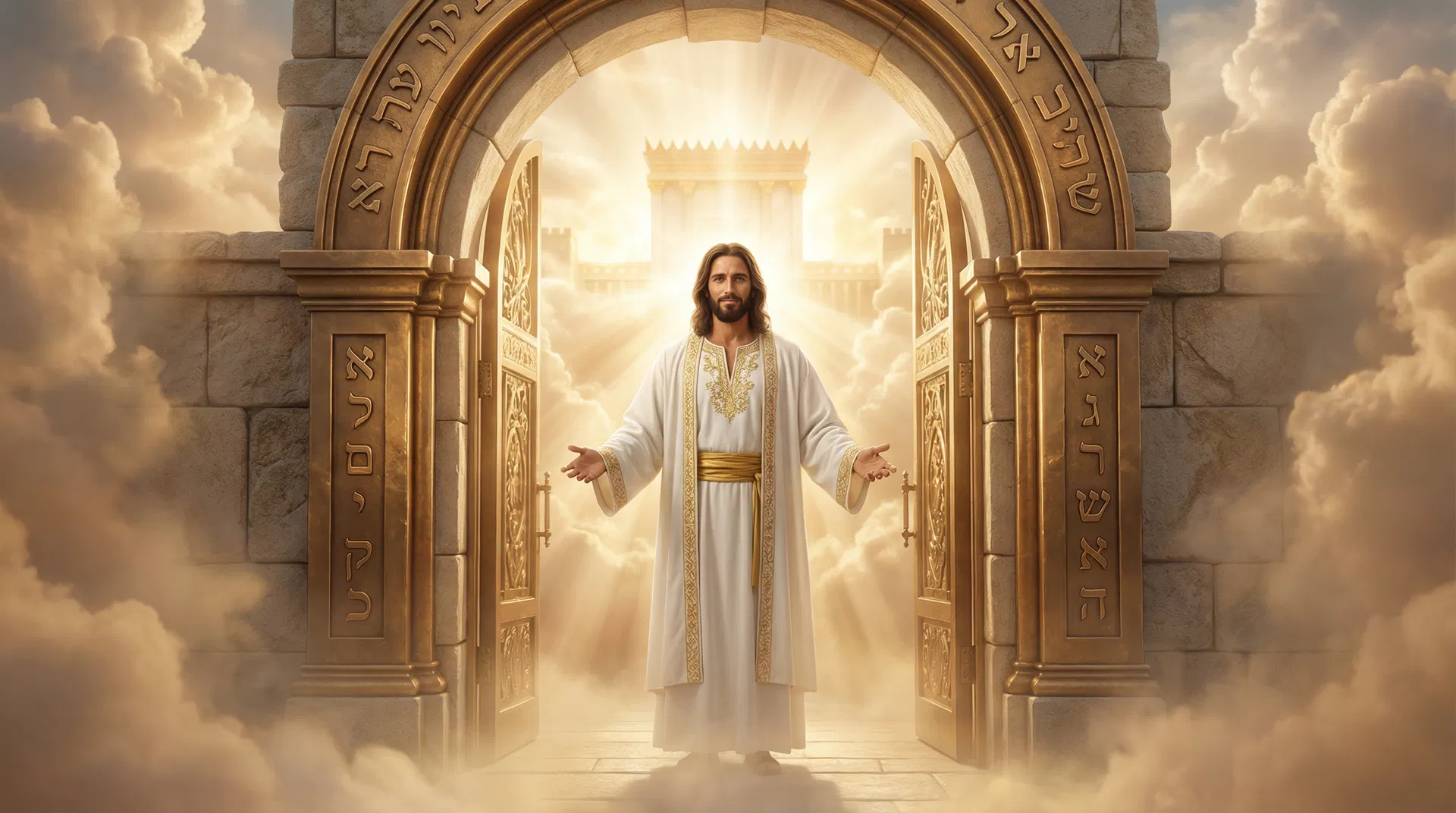
Yeshua — The Seed of Abraham at the Gate

The Narrow Gate — Straight and Narrow Way
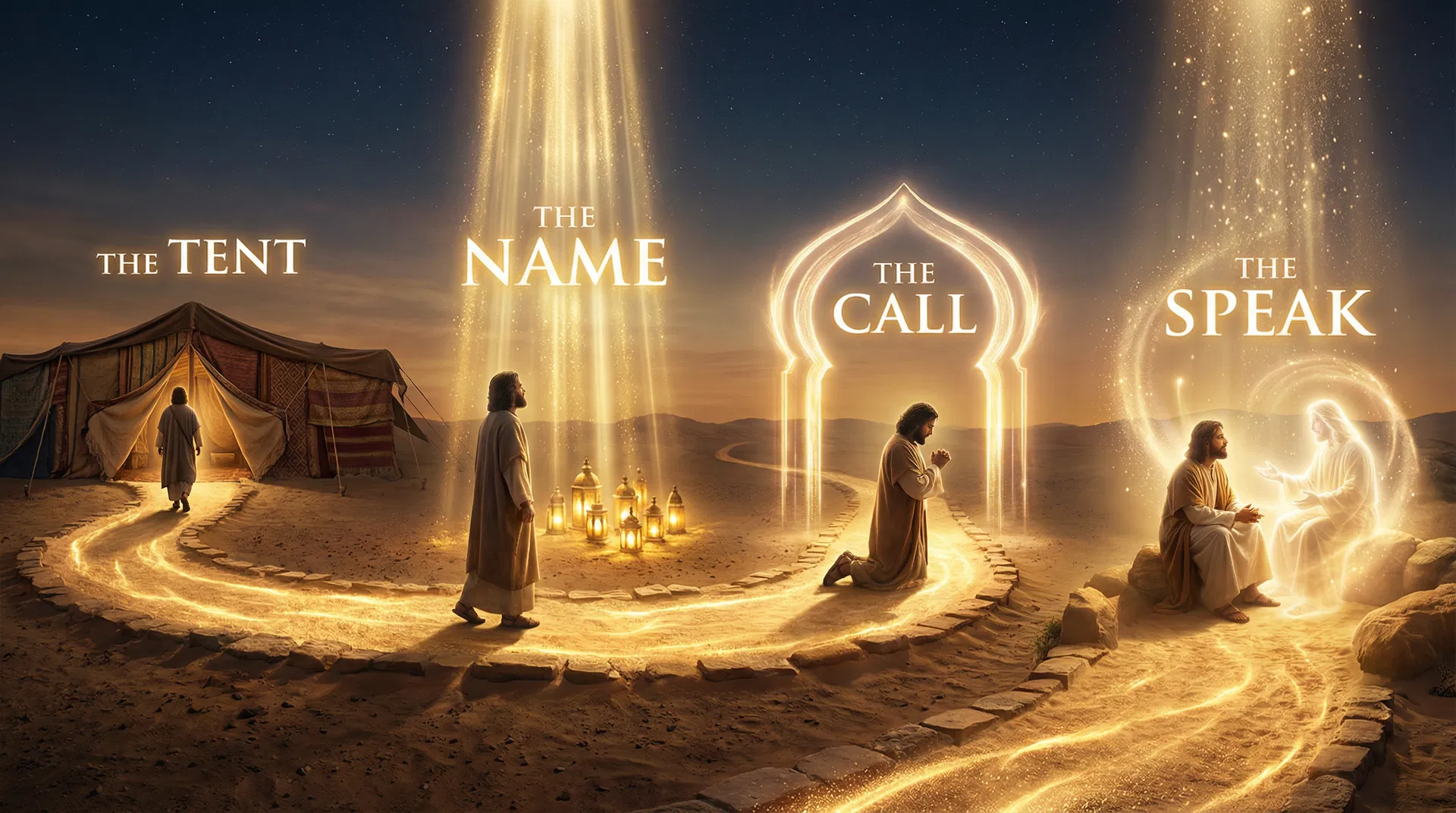
The Four-Step Approach: Tent, Name, Call, Speak
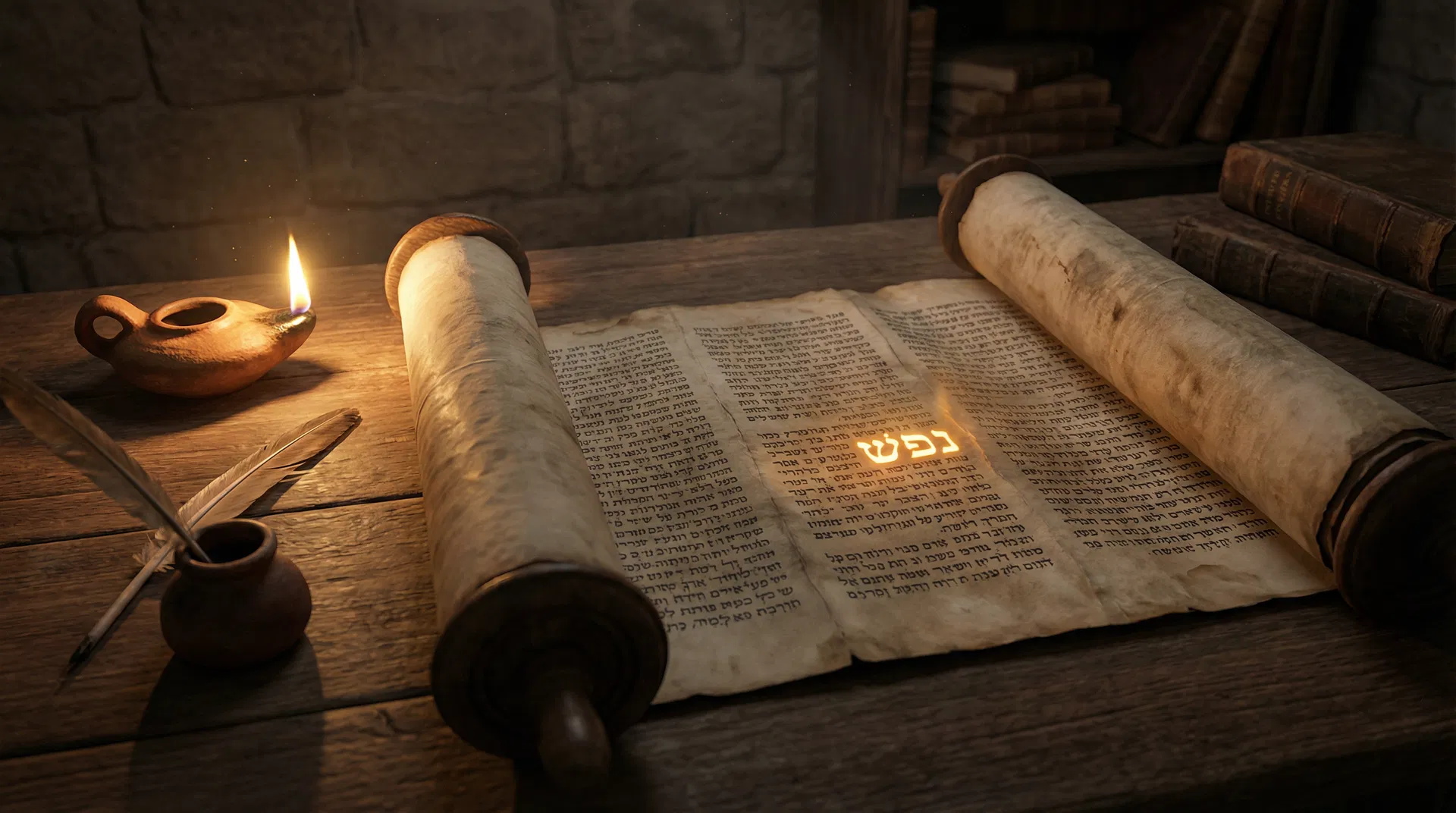
The Torah Scroll — Nephesh in Hebrew

Tabernacle and Eden — Mirror Images
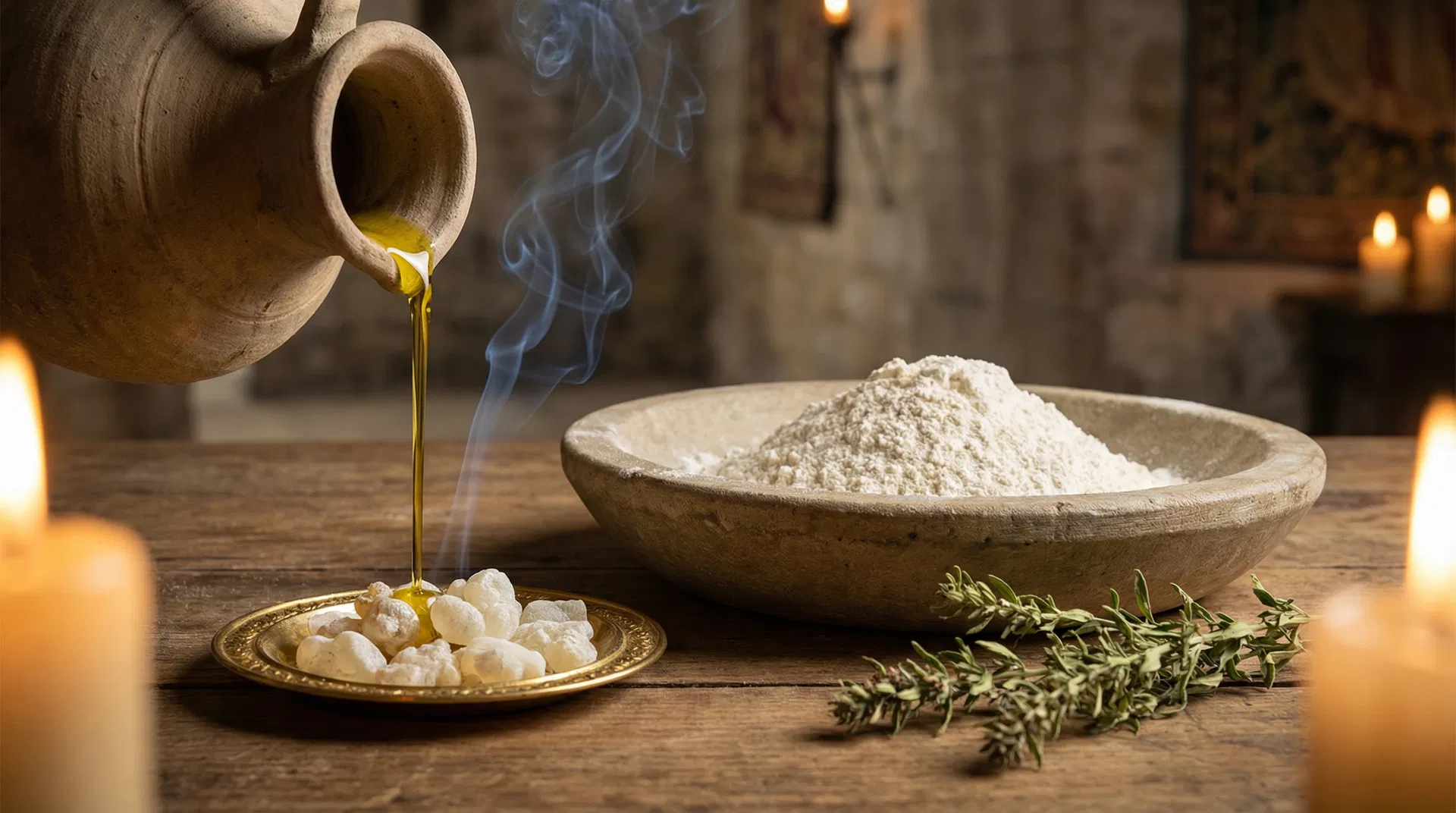
Oil and Frankincense — Spirit and Sweetness
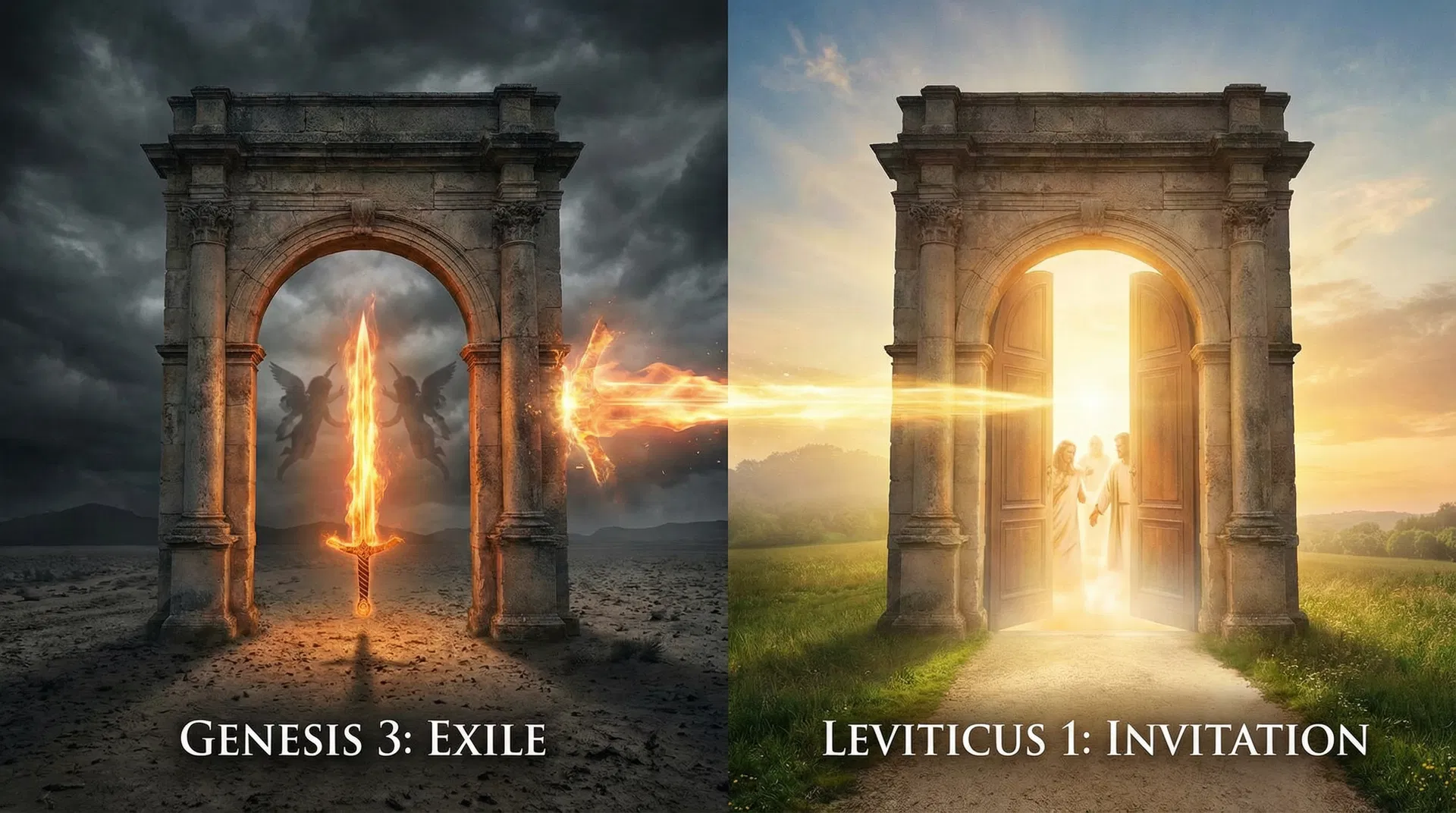
Exile to Invitation — Genesis 3 to Leviticus 1
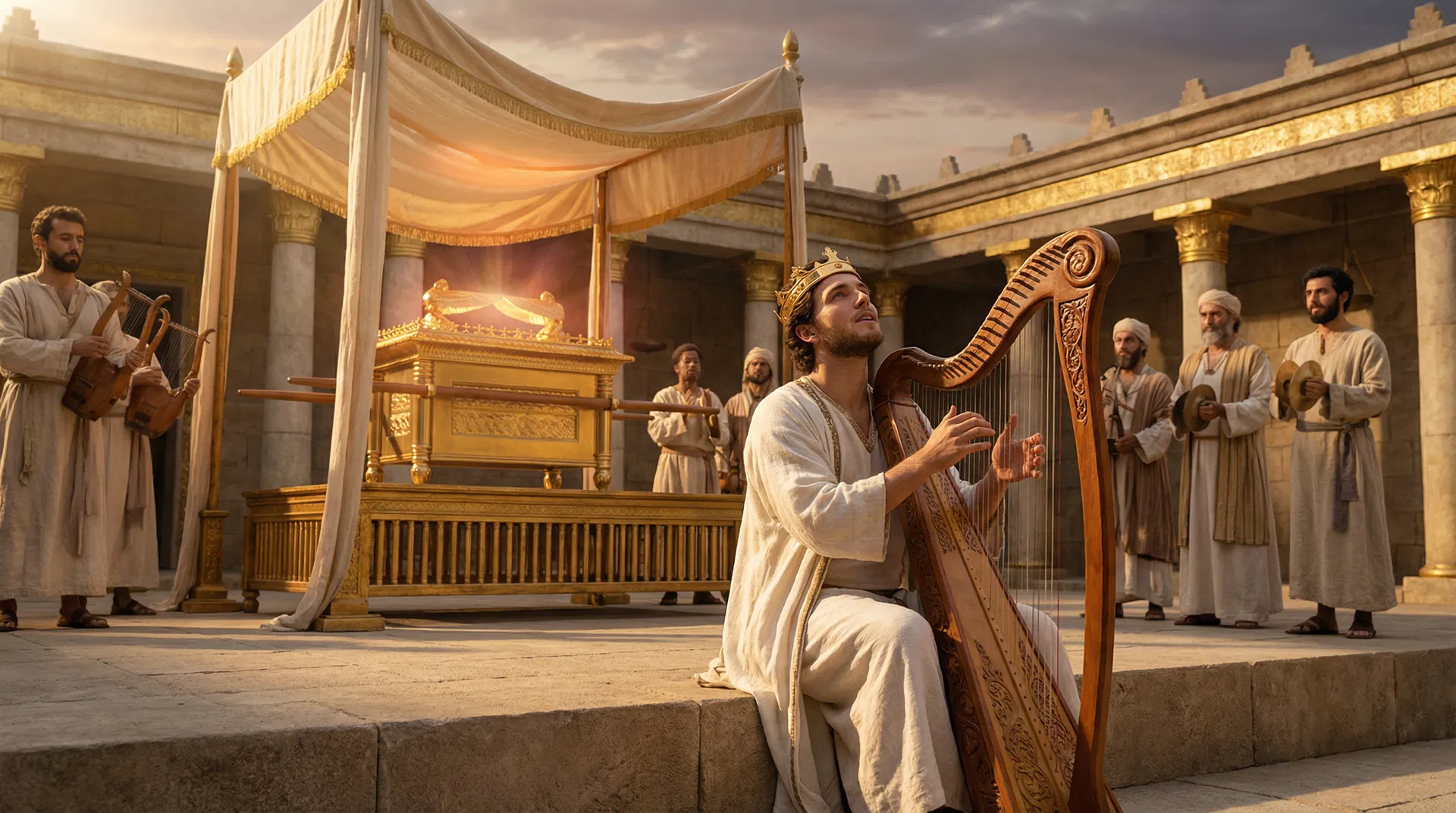
King David — Chosen Pillar of the Covenant

The Exodus — Crossing the Red Sea
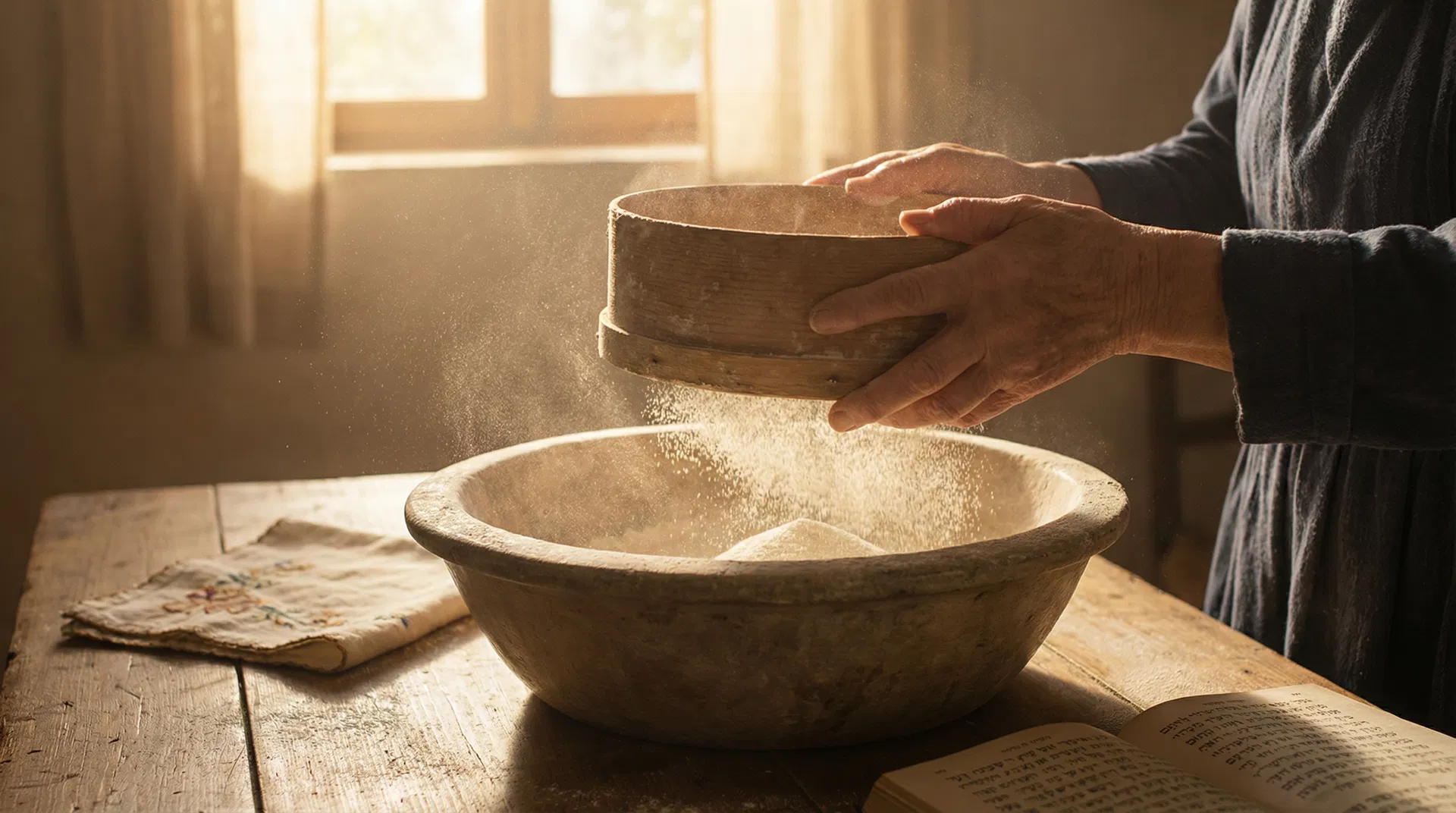
Fine Flour Sifted — The Refined Nephesh
Join the Community
Deepen your understanding and connect with others studying the Torah portion in the Families in Torah community.
Visit Skool Community